
Gestion de L'Appetit
Purpose and overall approach
Gestion de L`Appetit is a fibre-focused supplement designed to support appetite management and everyday dietary structure. The formula combines soluble fibres and a botanical extract to complement a balanced eating plan. It is intended for adults who want practical support around meals without relying on stimulants.
Because the core ingredients are fibres, adequate water intake is an important part of use. The product is best viewed as a nutritional tool that works alongside food choices, meal timing, and lifestyle habits. Results can vary depending on baseline fibre intake and overall diet.
Appetite and satiety support
Konjac glucomannan is included as the main fibre component and is commonly used in satiety-oriented routines. When taken with water, it forms a viscous gel-like texture that can help people feel fuller around meals. Apple citrus pectin adds another soluble fibre source that complements this texture-based approach.
Nopal dry extract contributes plant polysaccharides that fit well with a fibre-led strategy. Together, these ingredients are positioned to support portion control and mindful eating practices. Consistent use and appropriate hydration are key practical considerations.
Digestive and gut-focused benefits
The combination of glucomannan and pectin helps increase total soluble fibre intake, which can support normal digestive function. Many people use soluble fibres to help maintain regularity and digestive comfort when dietary fibre is otherwise low. Nopal extract adds additional plant material that broadens the fibre profile.
As with most fibre supplements, introducing the product gradually may help tolerance. Taking the serving with a full glass of water can support comfortable use. If digestive sensitivity is present, adjusting timing and dose can be helpful.
Meal-time support and metabolic context
Fibre is often used to help shape the nutritional impact of meals, especially those containing carbohydrates. By increasing viscosity in the digestive tract, soluble fibres can contribute to a steadier post-meal experience for some individuals. This is why glucomannan, pectin, and nopal are frequently paired with meal-time routines.
This product is not a substitute for balanced meals, protein intake, or overall dietary quality. It is best used as a supportive layer within a consistent eating pattern. People using glucose-lowering strategies may wish to monitor how they feel when adding extra fibre.
Formula design and ingredient roles
The formula is built around three main actives: konjac glucomannan, nopal dry extract (10:1), and apple citrus pectin. These ingredients are selected for their complementary fibre characteristics and practical use around meals. Rice flour is included as a technological ingredient, and the transparent vegetable capsule provides the delivery format.
Because fibres can bind water and increase bulk, spacing the product away from certain medications may be sensible. If you are unsure about timing, consult a qualified professional. Store the product properly to maintain capsule integrity and ingredient quality.
| Class | Ingredient | Quantity | NRV% |
|---|---|---|---|
| Carbohydrate | Konjac glucomannan (Amorphophallus konjac) (non-EU) | 900.0 mg | 0.0 |
| Pflanzenextrakt | Nopal dry extract (Opuntia ficus indica aerial parts) – 10:1 | 450.0 mg | 0.0 |
| Carbohydrate | Apple citrus pectin | 390.0 mg | 0.0 |
| Hilfsstoff | Rice flour | 60.0 mg | 0.0 |
| Envelope | Transparent vegetable capsule 00 | 354.0 mg | 0.0 |
Capsules Ingredients: Rice flour; Transparent vegetable capsule 00
Allergens:
| Title | Description |
|---|---|
| Difficulty swallowing (dysphagia) – High Risk | High-fibre bulking ingredients like glucomannan should be avoided if swallowing is impaired due to choking or obstruction risk. |
| History of gastrointestinal obstruction/strictures – High Risk | Bulking fibres may worsen narrowing-related symptoms and are generally not suitable in known obstruction conditions. |
| Inflammatory bowel flare or severe GI sensitivity – Medium Risk | Added fibres can aggravate discomfort during active digestive flare-ups in some individuals. |
| Pregnancy – Medium Risk | Use during pregnancy should be discussed with a healthcare professional due to limited product-specific data and potential effects on appetite and digestion. |
| Breastfeeding – Medium Risk | Use while breastfeeding should be discussed with a healthcare professional, especially if it affects appetite or digestive tolerance. |
| Diabetes or glucose-management plans – Medium Risk | Fibre supplements may change post-meal responses, so monitoring and professional guidance can be appropriate. |
| Title | Description |
|---|---|
| Bloating or gas – Medium Risk | Soluble fibres such as glucomannan and pectin can increase fermentation and gas, especially when starting. |
| Abdominal discomfort or cramps – Medium Risk | A rapid increase in fibre intake may cause transient digestive discomfort in sensitive individuals. |
| Constipation – Medium Risk | If taken with insufficient water, bulking fibres may worsen constipation rather than improve it. |
| Loose stools – Low Risk | Some people may experience softer stools when increasing soluble fibre intake. |
| Title | Description |
|---|---|
| Oral medications (general) – Medium Risk | Bulking fibres may reduce or delay absorption of some oral medicines, so spacing doses by 2–3 hours is often considered. |
| Thyroid hormones (e.g., levothyroxine) – Medium Risk | Fibre supplements can interfere with absorption of thyroid medication if taken too close together. |
| Diabetes medications/insulin – Medium Risk | Meal-time fibre may alter post-meal responses, so monitoring and dose timing guidance may be needed. |
| Fat-soluble vitamin supplements – Low Risk | High fibre intake may modestly affect nutrient uptake in some cases, so separating timing can be considered. |
| Title | Description |
|---|---|
| General supplement warning – Low Risk | Food supplements should not be used as a substitute for a varied and balanced diet and a healthy lifestyle. |
| Daily dose warning – Low Risk | Do not exceed the recommended daily intake. |
| Children warning – Low Risk | Keep out of reach of young children. |
| Water intake warning (glucomannan) – High Risk | Take with a large glass of water and avoid use if you have swallowing difficulties, as bulking fibres may pose a choking or obstruction risk. |
| Medication timing warning – Medium Risk | If you take medicines, take this product at a different time (e.g., 2–3 hours apart) and seek professional advice if unsure. |
| Pregnancy and breastfeeding warning – Medium Risk | If pregnant or breastfeeding, consult a healthcare professional before use. |
| Manufacturing trace warning – Low Risk | May contain very small amounts of allergens due to shared production equipment, even when not present in the ingredient list. |
| Title | Description | Bioavailability |
|---|---|---|
| Konjac glucomannan (Amorphophallus konjac) (non-EU) | Soluble dietary fibre used to support satiety and increase fibre intake in the formula. | Standard form used in food supplements. |
| Nopal dry extract (Opuntia ficus indica aerial parts) – 10:1 | Botanical extract included to complement the fibre matrix and support meal-time dietary routines. | Standardized botanical extract with typical absorption characteristics. |
| Apple citrus pectin | Soluble fibre added to support digestive bulk and texture-based satiety effects. | Standard form used in food supplements. |
| Rice flour | Filler/carrier used to support capsule fill and processing. | Not applicable for excipients. |
| Transparent vegetable capsule 00 | Capsule shell used to contain and deliver the ingredients. | Not applicable for excipients. |
| Allergen | Source Ingredient | Mandatory | Inference |
|---|---|---|---|
| None | None | No | None |
Population & target users: Adults seeking fibre-based support for appetite control and meal-time satiety as part of a balanced diet.
How to take: Take the daily serving with a large glass of water; consider taking before or with meals based on personal tolerance.
Duration of use: Use consistently for several weeks to assess suitability; introduce gradually if your usual fibre intake is low.
Storage & conservation: Store in a cool, dry place away from heat and moisture; keep the container tightly closed.
Additional guidance: Space intake 2–3 hours away from oral medications; discontinue use if significant digestive discomfort occurs and seek advice.
| MDC BRANDS: Ethyos |

Vorteile

Weight Management
This formula is designed to support appetite and portion control as part of a calorie-controlled diet. Konjac glucomannan and apple citrus pectin are soluble fibres that can contribute to a feeling of fullness when taken with water. Nopal dry extract adds additional plant-derived fibre components that fit well into weight-management routines.

Gut Health
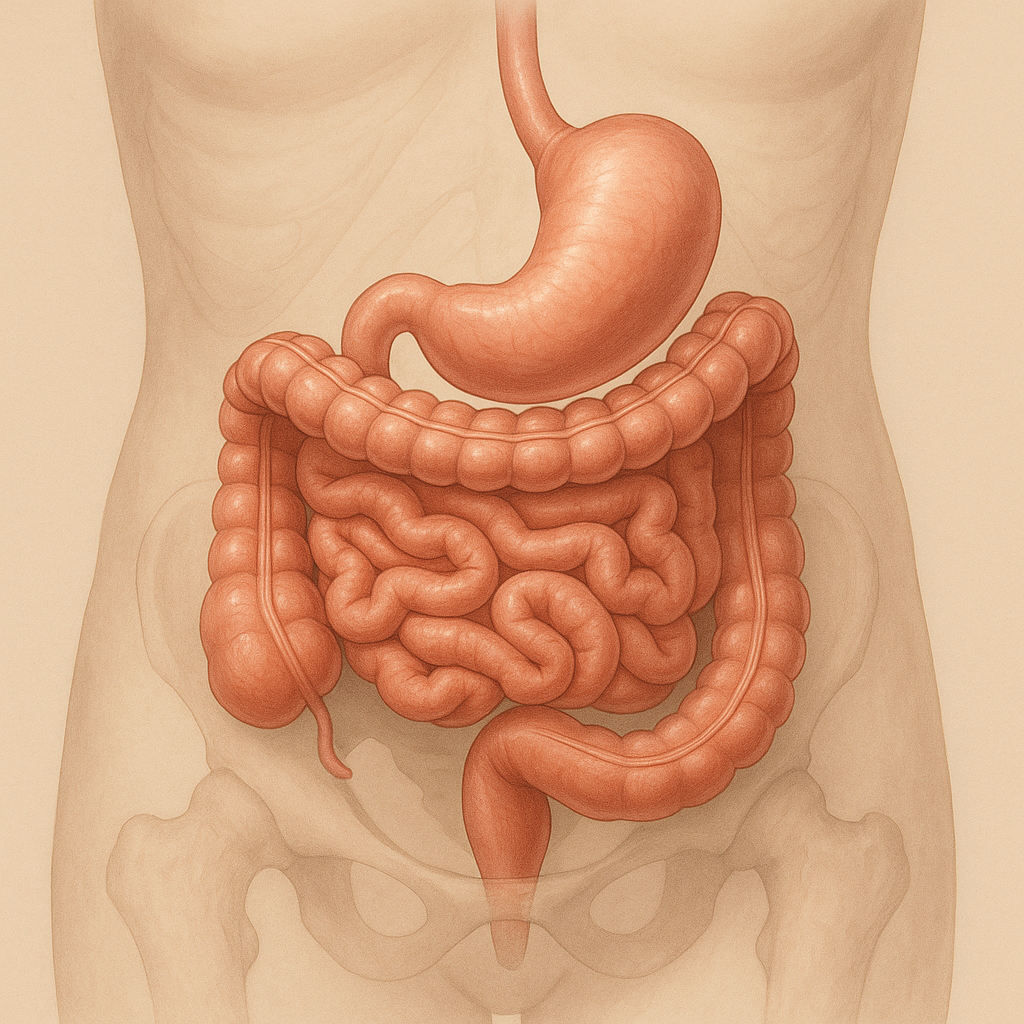
The blend focuses on dietary fibres that support normal digestive function and regularity. Konjac glucomannan and pectin can help increase fibre intake, which many people find useful when dietary fibre is low. Nopal extract contributes plant polysaccharides that complement the overall fibre profile.
Digestive Health
Soluble fibres such as glucomannan and pectin can help support comfortable digestion when introduced gradually and taken with sufficient fluids. This product may be used around meals to help structure eating habits while maintaining digestive comfort. Nopal extract provides additional botanical support for a fibre-based digestive approach.

Blood Sugar Support
Fibre-rich ingredients like glucomannan, pectin, and nopal are commonly used to help moderate the post-meal nutritional profile of carbohydrate-containing meals. This can be relevant for people aiming for steadier energy after eating as part of a balanced diet. Effects can vary depending on meal composition and timing.

Cholesterol Management
Soluble fibres such as pectin and glucomannan are often included in diets that aim to support healthy lipid balance. This product can be used as a fibre add-on alongside heart-healthy dietary patterns (e.g., adequate plant foods and reduced saturated fat). Individual responses depend on overall diet and consistency of use.