




Multivitamin täglich
Daily micronutrient coverage
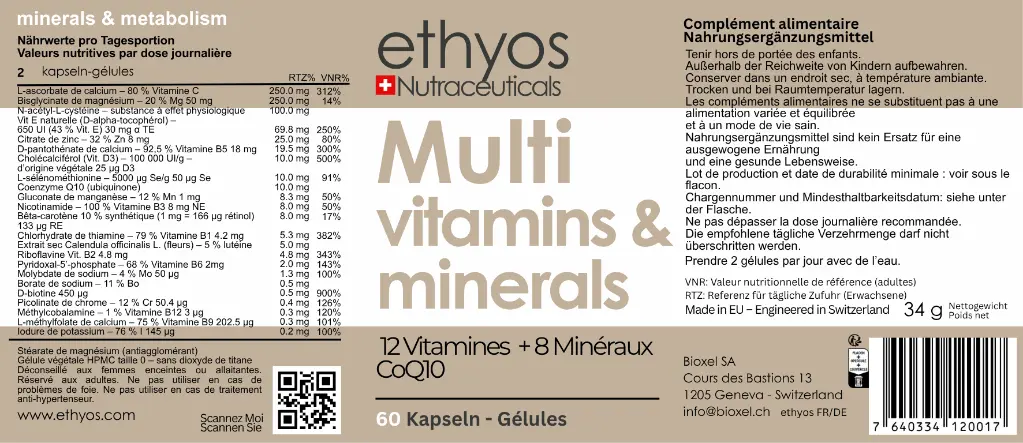
This formula is designed as a daily multivitamin and mineral blend to help support overall nutritional intake. It combines key vitamins, trace minerals, and a small number of complementary actives in one serving. The focus is broad wellness support rather than a single targeted outcome.
Energy-yielding metabolism support
The B-vitamin spectrum includes thiamine (B1), riboflavin (B2), nicotinamide (B3), pantothenic acid (B5), and pyridoxal-5'-phosphate (active B6). These nutrients are commonly used to support normal energy metabolism and day-to-day vitality. Coenzyme Q10 is included as an additional nutrient often associated with cellular energy pathways.
Immune nutrition foundations
Vitamin C (from calcium L-ascorbate), vitamin D3, zinc (as citrate), and selenium (as L-selenomethionine) form a core set of nutrients frequently used to support normal immune function. This combination is suitable for people who want consistent micronutrient coverage across the year. The formula is intended to complement, not replace, a balanced diet.
Antioxidant-oriented nutrients
Vitamin E is provided as natural D-alpha-tocopherol, alongside vitamin C and selenium, which are commonly included in antioxidant-focused blends. Synthetic beta-carotene contributes provitamin A activity. NAC (N-acetyl-L-cysteine) is included as a physiologically active substance often used in formulas that support oxidative balance.
Minerals and trace elements
Magnesium is supplied as bisglycinate, a chelated form often chosen for its tolerability profile. The formula also includes manganese, chromium, molybdenum, boron, and iodine in measured amounts to broaden trace mineral coverage. These minerals are included to support general metabolic and nutritional functions.
Targeted additions and synergies
Calendula officinalis flower extract is standardized to lutein, complementing beta-carotene for visual nutrient support. Folate is provided as L-methylfolate and vitamin B12 as methylcobalamin, which are commonly used coenzyme forms. Overall, the blend is structured to provide wide micronutrient coverage with a few targeted additions for everyday wellness routines.
| Class | Ingredient | Quantity | NRV% |
|---|---|---|---|
| Vitamin | Calcium L-ascorbate – 80% Vitamin C | 250.0 mg | 250.0 |
| Mineral | Magnesium bisglycinate – 20% Mg | 250.0 mg | 13.0 |
| Aminosäure | N-acetyl-L-cysteine – physiologically active substance | 100.0 mg | 0.0 |
| Vitamin | Natural Vitamin E (D-alpha-tocopherol) – 650 IU (43% Vitamin E) | 69.8 mg | 250.0 |
| Mineral | Zinc citrate – 32% Zn | 25.0 mg | 80.0 |
| Vitamin | D-calcium pantothenate – 92.5% Vitamin B5 | 19.5 mg | 301.0 |
| Vitamin | Cholecalciferol (Vitamin D3) – 100,000 IU/g – of vegetable origin | 10.0 mg | 500.0 |
| Mineral | L-selenomethionine – 5000 µg Se/g | 10.0 mg | 91.0 |
| Other active | Coenzyme Q10 (ubiquinone) – physiologically active compound | 10.0 mg | 0.0 |
| Mineral | Manganese gluconate – 12% Mn | 8.3 mg | 50.0 |
| Vitamin | Nicotinamide – 100% Vitamin B3 | 8.0 mg | 50.0 |
| Other active | Synthetic beta-carotene 10% (1 mg = 166 µg retinol equivalent) | 8.0 mg | 166.0 |
| Vitamin | Thiamine hydrochloride – 79% Vitamin B1 | 5.3 mg | 381.0 |
| Pflanzenextrakt | Calendula officinalis L. dry extract (flowers) – 5% lutein (HPLC 4:1) | 5.0 mg | 0.0 |
| Vitamin | Riboflavin | 4.8 mg | 343.0 |
| Vitamin | Pyridoxal-5'-phosphate – 68% Vitamin B6 | 2.0 mg | 97.0 |
| Mineral | Sodium molybdate – 4% Mo | 1.3 mg | 104.0 |
| Mineral | Sodium borate – 11% B | 0.5 mg | 0.0 |
| Vitamin | D-biotin | 0.5 mg | 1000.0 |
| Mineral | Chromium picolinate – 12% Cr | 0.4 mg | 120.0 |
| Vitamin | Methylcobalamin – 1% Vitamin B12 | 0.3 mg | 120.0 |
| Vitamin | Calcium L-methylfolate – 75% Vitamin B9 | 0.3 mg | 113.0 |
| Mineral | Potassium iodide – 76% I | 0.2 mg | 101.0 |
| Hilfsstoff | Magnesium stearate – flow agent (anti-caking) | 12.0 mg | 0.0 |
| Envelope | Vegetable HPMC capsule size 0 – titanium dioxide free | 236.0 mg | 0.0 |
Capsules Ingredients: Magnesium stearate – flow agent (anti-caking) 12 mg; Vegetable HPMC capsule size 0 – titanium dioxide free 236 mg
Allergens:
| Title | Description |
|---|---|
| Pregnancy – Medium Risk | Contains preformed vitamin activity via retinol equivalents from beta-carotene and includes iodine; use during pregnancy should be discussed with a healthcare professional. |
| Breastfeeding – Medium Risk | High micronutrient density (including iodine and vitamin D) may not suit all breastfeeding individuals without professional guidance. |
| Thyroid disorders – Medium Risk | Iodine (from potassium iodide) may be unsuitable for some thyroid conditions depending on individual medical advice. |
| Kidney impairment – Medium Risk | Minerals such as magnesium and trace elements may require caution in reduced kidney function. |
| History of kidney stones – Low Risk | Vitamin C intake can be a consideration for individuals prone to certain types of kidney stones. |
| Known sensitivity to niacinamide or B vitamins – Low Risk | Some individuals are sensitive to higher B-vitamin intakes and may prefer lower-dose products. |
| Title | Description |
|---|---|
| Gastrointestinal discomfort – Low Risk | Minerals (magnesium, zinc) and vitamin C may cause mild stomach upset in sensitive individuals, especially on an empty stomach. |
| Nausea – Low Risk | Zinc-containing supplements can occasionally cause nausea, particularly if taken without food. |
| Loose stools – Low Risk | Magnesium forms may contribute to softer stools in some users depending on individual tolerance. |
| Headache or flushing sensations – Low Risk | Some people report transient discomfort with multinutrient products, potentially related to B vitamins or individual sensitivity. |
| Bright yellow urine – Low Risk | Riboflavin (vitamin B2) can naturally intensify urine color and is generally harmless. |
| Title | Description |
|---|---|
| Thyroid medication (levothyroxine) – Medium Risk | Minerals such as magnesium and zinc can interfere with absorption if taken too close to thyroid medication; separate dosing is commonly advised. |
| Tetracycline or quinolone antibiotics – Medium Risk | Minerals (magnesium, zinc) may bind certain antibiotics and reduce absorption; spacing doses is typically recommended. |
| Anticoagulants/antiplatelets – Medium Risk | Vitamin E may affect bleeding tendency in some contexts; individuals using blood thinners should seek professional advice. |
| Diabetes medications – Low Risk | Chromium is sometimes used in glucose-focused formulas and may be relevant for those monitoring blood sugar alongside medication. |
| Chemotherapy or radiotherapy – Medium Risk | Antioxidant nutrients (vitamin C, vitamin E, selenium, CoQ10) may be a consideration during certain treatment plans and should be discussed with the care team. |
| Title | Description |
|---|---|
| General supplement warning – Low Risk | Food supplements should not be used as a substitute for a varied and balanced diet and a healthy lifestyle. |
| Daily dose warning – Low Risk | Do not exceed the recommended daily intake. |
| Children warning – Low Risk | Keep out of reach of young children. |
| Pregnancy and breastfeeding warning – Medium Risk | If pregnant, trying to conceive, or breastfeeding, consult a healthcare professional before use due to the presence of iodine, vitamin D, and multiple micronutrients. |
| Medication use warning – Medium Risk | If you are taking anticoagulants, thyroid medication, antibiotics, or other long-term medication, seek advice before use and consider spacing minerals away from medicines. |
| Manufacturing trace warning – Low Risk | May contain very small amounts of allergens due to shared production equipment, even when not present in the ingredient list. |
| Title | Description | Bioavailability |
|---|---|---|
| Calcium L-ascorbate – 80% Vitamin C | Provides vitamin C in a buffered ascorbate form to support daily micronutrient intake. | Ascorbate salt form; standard vitamin C delivery with typical physiological availability. |
| Magnesium bisglycinate – 20% Mg | Supplies magnesium in a chelated form to contribute to daily mineral intake. | Chelated bisglycinate form, commonly used for typical absorption and tolerability. |
| N-acetyl-L-cysteine – physiologically active substance | A cysteine derivative included to complement antioxidant-oriented and amino-acid related pathways. | N-acetylated amino acid derivative; standard supplemental form with typical absorption characteristics. |
| Natural Vitamin E (D-alpha-tocopherol) – 650 IU (43% Vitamin E) | Provides vitamin E as D-alpha-tocopherol to support daily antioxidant nutrient intake. | Natural d-alpha-tocopherol form; fat-soluble vitamin with typical absorption when taken with food. |
| Zinc citrate – 32% Zn | Supplies zinc in a citrate salt form to support daily trace mineral intake. | Citrate salt form with typical physiological availability. |
| D-calcium pantothenate – 92.5% Vitamin B5 | Provides pantothenic acid (vitamin B5) to support B-vitamin intake. | Standard pantothenate form with typical physiological availability. |
| Cholecalciferol (Vitamin D3) – 100,000 IU/g – of vegetable origin | Provides vitamin D3 to support daily vitamin D intake. | Cholecalciferol (D3) form; fat-soluble vitamin with typical absorption when taken with food. |
| L-selenomethionine – 5000 µg Se/g | Supplies selenium as selenomethionine to support trace mineral intake. | Selenomethionine form; organic selenium source with typical physiological availability. |
| Coenzyme Q10 (ubiquinone) – physiologically active compound | Provides coenzyme Q10 (ubiquinone) as a complementary nutrient used in cellular energy-related pathways. | Ubiquinone form; standard CoQ10 with typical absorption characteristics. |
| Manganese gluconate – 12% Mn | Supplies manganese to contribute to daily trace mineral coverage. | Gluconate salt form with typical physiological availability. |
| Nicotinamide – 100% Vitamin B3 | Provides vitamin B3 (niacinamide) to support B-vitamin intake. | Nicotinamide form; standard vitamin form with typical physiological availability. |
| Synthetic beta-carotene 10% (1 mg = 166 µg retinol equivalent) | Provides beta-carotene as a provitamin A source to support vitamin A activity in the diet. | Standard beta-carotene preparation; fat-soluble carotenoid with typical absorption when taken with food. |
| Thiamine hydrochloride – 79% Vitamin B1 | Provides thiamine (vitamin B1) to support B-vitamin intake. | Thiamine HCl form; standard vitamin form with typical physiological availability. |
| Calendula officinalis L. dry extract (flowers) – 5% lutein (HPLC 4:1) | Supplies a standardized calendula flower extract providing lutein to complement eye-nutrition focused ingredients. | Standardized botanical extract (5% lutein; 4:1) with typical absorption characteristics. |
| Riboflavin | Provides vitamin B2 to support daily B-vitamin intake. | Standard nutrient form with typical physiological availability. |
| Pyridoxal-5'-phosphate – 68% Vitamin B6 | Provides vitamin B6 in its coenzyme form to support B-vitamin intake. | Coenzyme form (P-5-P) with typical physiological availability. |
| Sodium molybdate – 4% Mo | Supplies molybdenum to contribute to trace mineral intake. | Molybdate salt form with typical physiological availability. |
| Sodium borate – 11% B | Provides boron as a trace element to broaden mineral coverage. | Borate salt form; standard supplemental form with typical physiological availability. |
| D-biotin | Provides biotin (vitamin B7) to support daily B-vitamin intake. | Standard nutrient form with typical physiological availability. |
| Chromium picolinate – 12% Cr | Supplies chromium in a picolinate form to support trace mineral intake. | Picolinate chelate form with typical physiological availability. |
| Methylcobalamin – 1% Vitamin B12 | Provides vitamin B12 in a methylated form to support B12 intake. | Methylcobalamin (coenzyme form) with typical physiological availability. |
| Calcium L-methylfolate – 75% Vitamin B9 | Provides folate as L-methylfolate to support folate intake. | L-methylfolate form; active folate form with typical physiological availability. |
| Potassium iodide – 76% I | Supplies iodine to support daily trace mineral intake. | Iodide salt form with typical physiological availability. |
| Magnesium stearate – flow agent (anti-caking) | Flow agent used to support manufacturing consistency and reduce clumping. | Not applicable for excipients. |
| Vegetable HPMC capsule size 0 – titanium dioxide free | Capsule shell used to contain and deliver the ingredients. | Not applicable for excipients. |
| Allergen | Source Ingredient | Mandatory | Inference |
|---|---|---|---|
| None | None | No | None |
Population & target users: Adults seeking daily micronutrient coverage and general wellness support.
How to take: Take 1 capsule daily with a meal and a glass of water; avoid taking on an empty stomach if sensitive to minerals.
Duration of use: Suitable for daily use; reassess after 8–12 weeks or as advised by a healthcare professional.
Storage & conservation: Store in a cool, dry place away from direct sunlight; keep the container tightly closed.
Additional guidance: If using thyroid medication, antibiotics, or anticoagulants, consult a healthcare professional and consider spacing intake by several hours.
| MDC BRANDS: Ethyos |

Vorteile

Overall Health
Designed as a daily micronutrient top-up to help cover common nutritional gaps using a broad spectrum of vitamins and minerals such as vitamin C (from calcium L-ascorbate), B-complex vitamins, zinc, selenium, iodine, and magnesium. It can be used as part of a consistent routine to support general wellbeing, especially when diet variety is limited or during busy periods.
Energy Metabolism
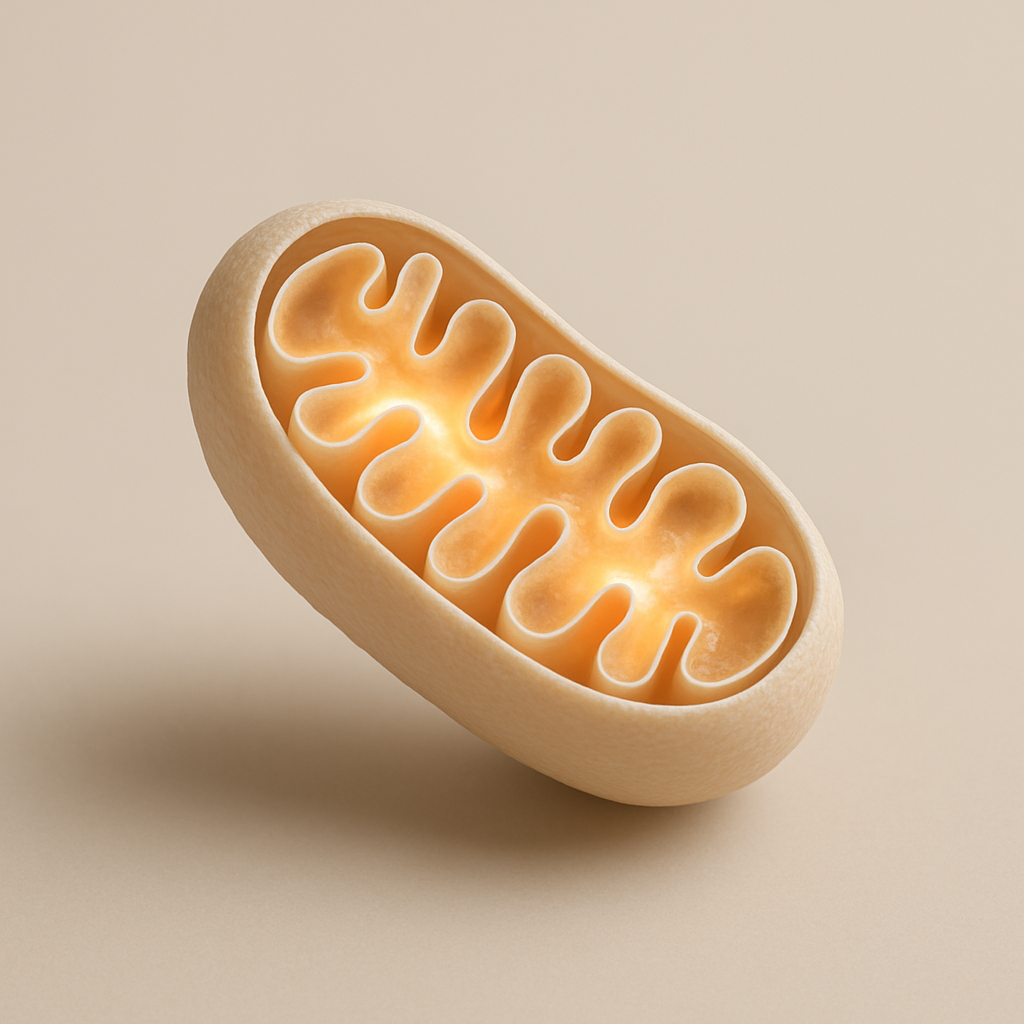
Supports everyday energy-yielding metabolism with B vitamins including thiamine (B1), riboflavin (B2), nicotinamide (B3), pantothenate (B5), and the active form of B6 (pyridoxal-5'-phosphate). Coenzyme Q10 is included as a complementary nutrient often used in cellular energy pathways.

Immune Support
Provides nutrients commonly used to support normal immune function, including vitamin C (calcium L-ascorbate), vitamin D3 (cholecalciferol), zinc (zinc citrate), and selenium (L-selenomethionine). This can be relevant during seasonal changes or periods of higher lifestyle stress when maintaining nutrient adequacy is a priority.
Antioxidant Support
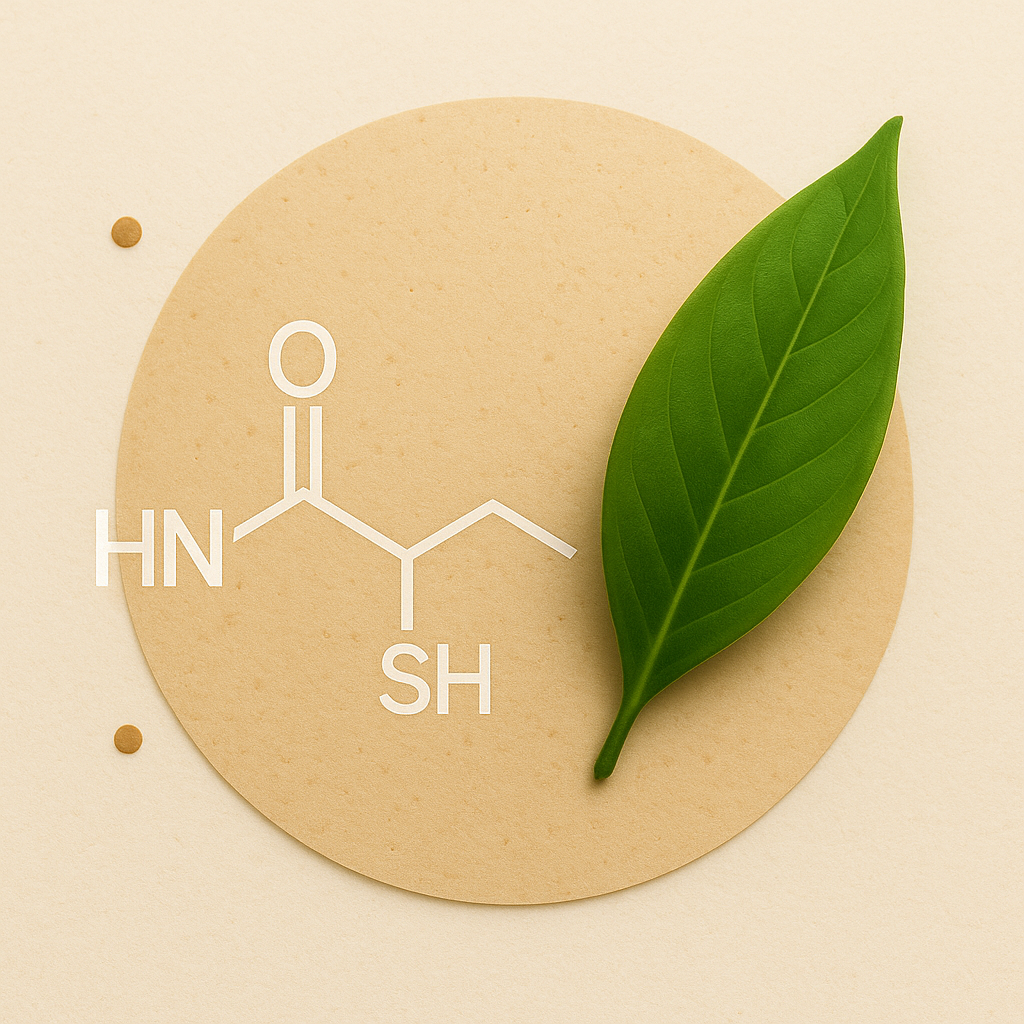
Includes antioxidant-related nutrients such as vitamin E (D-alpha-tocopherol), vitamin C, selenium, and beta-carotene (provitamin A). NAC (N-acetyl-L-cysteine) is included as an amino-acid derivative often used in formulas that focus on oxidative balance.

Vision Support
Contains beta-carotene (a provitamin A source) and a calendula (marigold) flower extract standardized to lutein, which are commonly used in eye-focused nutrition. This may be used as a supportive addition for people who spend long hours on screens or want to maintain general visual nutrient intake.