Keratin Hair
Overview
Keratin Hair is a multi-nutrient beauty formula built around hydrolysed keratin, targeted amino acids, and selected vitamins and minerals. The overall aim is to support normal hair, skin, and nail structure through nutritional building blocks and co-factors. It combines protein-derived components with trace minerals and B-vitamins commonly used in appearance-focused supplements.
Hair, skin & nails focus
Hydrolysed keratin is included as a structural protein component used in hair and nail formulations. Biotin and zinc contribute to normal hair and skin maintenance, while selenium supports normal hair and nail maintenance. Copper is included as a trace mineral involved in normal pigmentation-related processes.
Sulfur amino acids as building blocks
L-methionine and L-cystine are sulfur-containing amino acids often used to complement keratin-based formulas. They are included to provide additional amino acid support alongside the keratin source. This combination is designed to align with the natural amino-acid profile associated with keratin-rich tissues.
Botanical and silica-containing extract
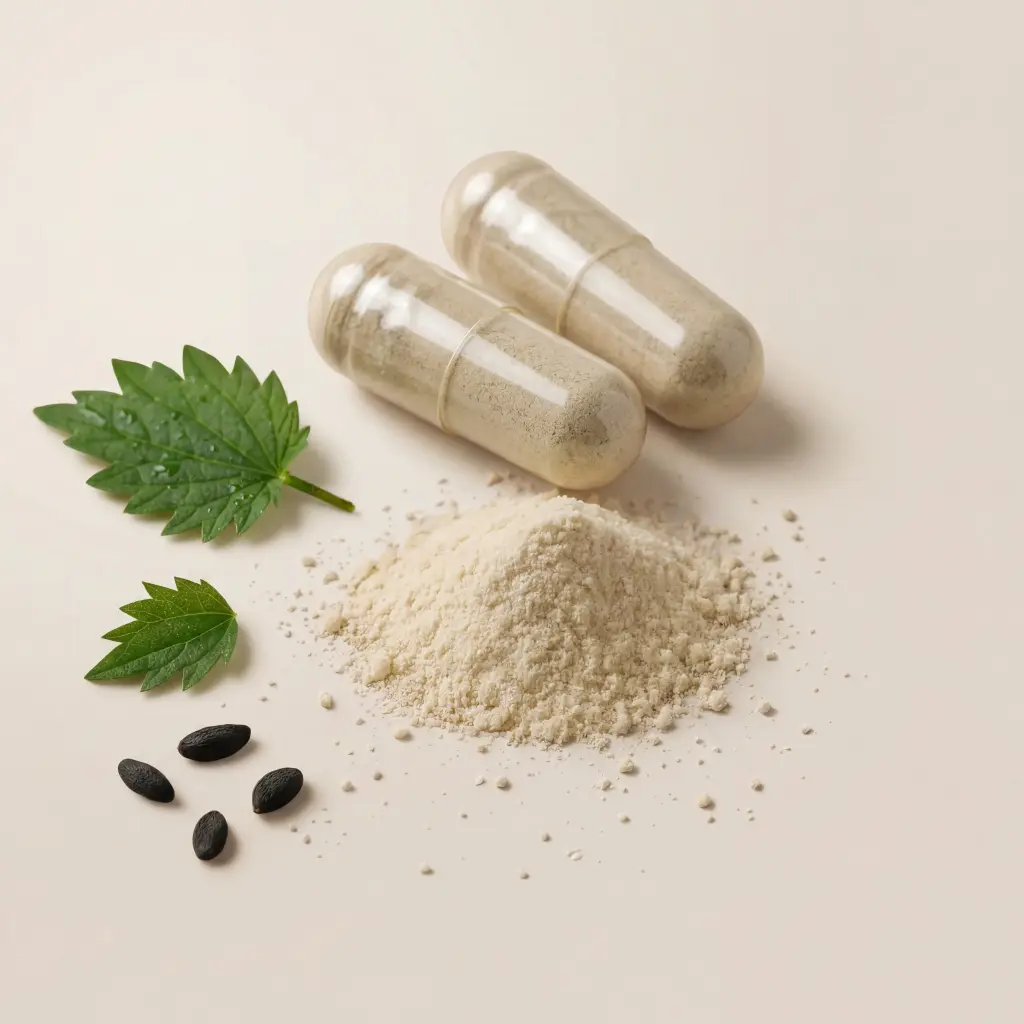
Nettle (Urtica dioica L.) leaf extract is provided as a dry extract (10:1) with a specified silica content. It adds a plant-based element to the formula that is frequently used in beauty and hair-support blends. The extract complements the nutrient base without changing the product’s core nutritional approach.
Antioxidant and connective-tissue support
Vitamin C contributes to normal collagen formation for the normal function of skin and supports normal energy-yielding metabolism. Vitamin E, selenium, zinc, and copper contribute to the protection of cells from oxidative stress. These nutrients provide supportive coverage alongside the primary hair/skin/nails positioning.
Micronutrient balance and formulation notes
The formula includes iron (as bisglycinate), B-vitamins (B3, B5, B6, B9), and trace minerals to round out daily intake. Chelated and citrate mineral forms are used for practical supplement formulation and typical absorption characteristics. Excipients are limited to rice flour as a carrier, magnesium salts of fatty acids as an anti-caking agent, and a vegetable capsule shell.
| Class | Ingredient | Quantity | NRV% |
|---|---|---|---|
| Protein | Hydrolysed keratin, food grade – EU origin | 400.0 mg | 0.0 |
| Pflanzenextrakt | Nettle (Urtica dioica L., leaves) – dry extract 10:1 (1% silica) | 300.0 mg | 0.0 |
| Mineral | Iron bisglycinate – 20% Fe, 14 mg | 70.0 mg | 100.0 |
| Aminosäure | L-methionine – sulfur-containing amino acid | 100.0 mg | 0.0 |
| Aminosäure | L-cystine – sulfur-containing amino acid | 100.0 mg | 0.0 |
| Vitamin | L-ascorbic acid – Vitamin C 80 mg | 80.0 mg | 100.0 |
| Vitamin | DL-alpha-tocopheryl acetate – 33% Vitamin E 12 mg | 72.7 mg | 200.0 |
| Mineral | Zinc citrate – 32% Zn 10 mg | 31.3 mg | 100.0 |
| Mineral | L-selenomethionine – 5000 µg/g Se, 150 µg | 30.0 mg | 273.0 |
| Vitamin | Nicotinamide – 100% Vitamin B3 16 mg | 16.0 mg | 100.0 |
| Mineral | Copper gluconate – 13.8% Cu, 1 mg | 7.3 mg | 101.0 |
| Vitamin | D-calcium pantothenate – 92.5% Vitamin B5 6 mg | 6.5 mg | 100.0 |
| Vitamin | D-biotin 4000 µg | 4.0 mg | 8000.0 |
| Vitamin | Pyridoxine hydrochloride – 82% Vitamin B6 1.4 mg | 1.7 mg | 100.0 |
| Vitamin | Pteroylmonoglutamic acid – Vitamin B9 200 µg | 0.2 mg | 100.0 |
| Hilfsstoff | Rice flour | 106.0 mg | 0.0 |
| Hilfsstoff | Magnesium salts of fatty acids – anti-caking agent | 28.0 mg | 0.0 |
| Envelope | Colourless vegetable capsule size 00 | 236.0 mg | 0.0 |
Capsules Ingredients: Rice flour; Magnesium salts of fatty acids – anti-caking agent; Colourless vegetable capsule size 00
Allergens:
| Title | Description |
|---|---|
| Iron overload disorders (e.g., hemochromatosis) – High Risk | Contains iron, which may be unsuitable for individuals with iron accumulation conditions unless advised by a clinician. |
| Known high ferritin or high iron status – Medium Risk | Additional iron intake may be unnecessary and should be assessed with appropriate testing. |
| Pregnancy – Medium Risk | High biotin and added iron may not match individual prenatal needs; use should be discussed with a healthcare professional. |
| Breastfeeding – Medium Risk | Added iron and high biotin warrant professional guidance to align with individual requirements. |
| Thyroid conditions or thyroid medication use – Medium Risk | Biotin can interfere with some laboratory thyroid tests, potentially affecting interpretation of results. |
| History of kidney stones – Low Risk | Vitamin C intake may be a consideration for susceptible individuals, especially with higher total daily intake from multiple sources. |
| Sensitive stomach or reflux – Low Risk | Iron and zinc can cause gastrointestinal discomfort in some people, particularly when taken on an empty stomach. |
| Title | Description |
|---|---|
| Gastrointestinal upset – Medium Risk | Iron and zinc may cause nausea, stomach discomfort, or cramps in sensitive individuals. |
| Constipation or darker stools – Medium Risk | Iron supplementation can change stool color and may contribute to constipation in some users. |
| Metallic taste – Low Risk | Minerals such as iron, zinc, or copper may occasionally cause a transient metallic taste. |
| Skin rash or sensitivity – Low Risk | Botanical extracts like nettle may cause sensitivity reactions in susceptible individuals. |
| Title | Description |
|---|---|
| Levothyroxine and other thyroid hormones – High Risk | Iron and zinc can reduce absorption of thyroid medication and typically require dose separation. |
| Tetracycline or quinolone antibiotics – High Risk | Iron and zinc can bind certain antibiotics and reduce absorption; spacing doses is commonly recommended. |
| Bisphosphonates – Medium Risk | Minerals such as iron and zinc may reduce absorption of bisphosphonates if taken too close together. |
| Levodopa (without carbidopa) – Medium Risk | Vitamin B6 can affect peripheral conversion of levodopa; medical guidance is advised. |
| Anticoagulant/antiplatelet therapy – Low Risk | Vitamin E may influence bleeding tendency at higher intakes; consider total intake and seek advice if using blood thinners. |
| Lab test interference (thyroid, troponin, hormone assays) – Medium Risk | High-dose biotin can interfere with certain immunoassays, potentially affecting lab results. |
| Title | Description |
|---|---|
| General supplement warning – Low Risk | Food supplements should not be used as a substitute for a varied and balanced diet and a healthy lifestyle. |
| Daily dose warning – Low Risk | Do not exceed the recommended daily intake. |
| Children warning – Low Risk | Keep out of reach of young children. |
| Pregnancy and breastfeeding warning – Medium Risk | If pregnant, breastfeeding, trying to conceive, or under medical supervision, consult a healthcare professional before use due to added iron and high biotin. |
| Medication separation warning (iron/zinc) – High Risk | If taking thyroid medication, certain antibiotics, or bisphosphonates, take this product at a different time of day to avoid reduced medication absorption. |
| Biotin lab-test interference warning – Medium Risk | Biotin may interfere with some laboratory tests; inform your healthcare professional and consider stopping use before blood tests if advised. |
| Manufacturing trace warning – Low Risk | May contain very small amounts of allergens due to shared production equipment, even when not present in the ingredient list. |
| Title | Description | Bioavailability |
|---|---|---|
| Hydrolysed keratin, food grade – EU origin | Provides hydrolysed keratin peptides used as a structural protein component in beauty-focused formulas. | Hydrolysed protein form, typically easier to disperse and digest than intact keratin. |
| Nettle (Urtica dioica L., leaves) – dry extract 10:1 (1% silica) | Botanical extract included to complement hair/skin/nails formulations, with specified silica content. | Standardized botanical extract with typical absorption characteristics. |
| Iron bisglycinate – 20% Fe, 14 mg | Provides iron to support normal physiological functions where iron is required. | Chelated (bisglycinate) mineral form, generally associated with good gastrointestinal tolerance and absorption. |
| L-methionine – sulfur-containing amino acid | Supplies a sulfur-containing amino acid commonly used as a building block in keratin-related formulations. | Free-form amino acid with typical absorption characteristics. |
| L-cystine – sulfur-containing amino acid | Provides cystine, a sulfur-containing amino acid used in formulations targeting keratin-rich tissues. | Standard amino acid form used in food supplements. |
| L-ascorbic acid – Vitamin C 80 mg | Provides vitamin C, a nutrient involved in collagen formation and antioxidant-related functions. | Standard ascorbic acid form with typical physiological availability. |
| DL-alpha-tocopheryl acetate – 33% Vitamin E 12 mg | Provides vitamin E to support antioxidant-related physiological functions. | Esterified vitamin E (tocopheryl acetate) form commonly used for stability with typical absorption when taken with dietary fat. |
| Zinc citrate – 32% Zn 10 mg | Provides zinc, a trace mineral used in hair/skin/nails and antioxidant-related functions. | Organic acid salt (citrate) form with typical physiological availability. |
| L-selenomethionine – 5000 µg/g Se, 150 µg | Provides selenium in an amino-acid bound form to support selenium-dependent physiological functions. | Selenomethionine form, generally well-absorbed compared with some inorganic selenium forms. |
| Nicotinamide – 100% Vitamin B3 16 mg | Provides vitamin B3 (niacinamide) to support normal energy-yielding metabolism and general nutrient coverage. | Standard nicotinamide form with typical physiological availability. |
| Copper gluconate – 13.8% Cu, 1 mg | Provides copper, a trace mineral involved in normal pigmentation-related and connective-tissue processes. | Gluconate mineral salt form with typical physiological availability. |
| D-calcium pantothenate – 92.5% Vitamin B5 6 mg | Provides vitamin B5 to support normal energy-yielding metabolism and general nutrient coverage. | Pantothenate salt form commonly used in supplements with typical physiological availability. |
| D-biotin 4000 µg | Provides biotin, a key nutrient commonly used in hair/skin/nails formulations. | Standard biotin form with typical physiological availability. |
| Pyridoxine hydrochloride – 82% Vitamin B6 1.4 mg | Provides vitamin B6 to support normal amino-acid and energy-yielding metabolism. | Pyridoxine HCl form with typical physiological availability. |
| Pteroylmonoglutamic acid – Vitamin B9 200 µg | Provides folate (vitamin B9) for general micronutrient coverage. | Folic acid (pteroylmonoglutamic acid) form with typical physiological availability. |
| Rice flour | Filler/carrier used to aid capsule filling and ingredient handling. | Not applicable for excipients. |
| Magnesium salts of fatty acids – anti-caking agent | Flow agent/anti-caking ingredient used to improve powder processing and capsule filling. | Not applicable for excipients. |
| Colourless vegetable capsule size 00 | Capsule shell that encloses the formula for oral use. | Not applicable for excipients. |
| Allergen | Source Ingredient | Mandatory | Inference |
|---|---|---|---|
| None | None | No | None |
Population & target users:
- Adults (18+) seeking nutritional support for normal hair, skin, and nail maintenance.
- Not intended for children.
How to take:
- Take 1 capsule daily with a meal and a glass of water.
- If sensitive to minerals, take with food to improve tolerance.
- If using thyroid medication, certain antibiotics, or bisphosphonates, separate intake by several hours as advised by a healthcare professional.
Duration of use:
- Use daily for at least 8–12 weeks to align with normal hair and nail growth cycles, then reassess.
Storage & conservation:
- Store in a cool, dry place away from direct sunlight.
- Keep the container tightly closed.
- Keep out of reach of young children.
| MDC BRANDS: Ethyos |
Vorteile
Hair, Skin & Nails
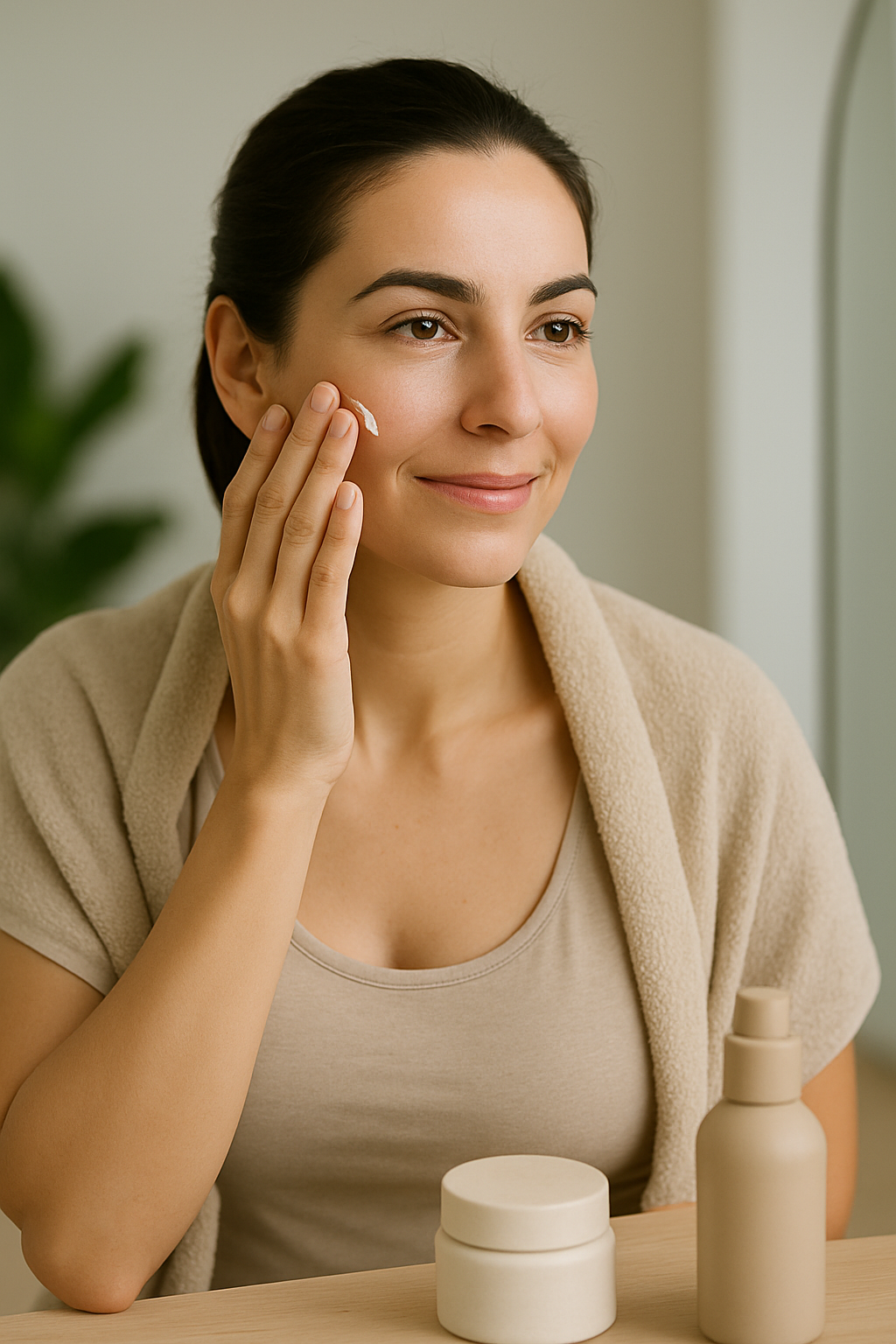
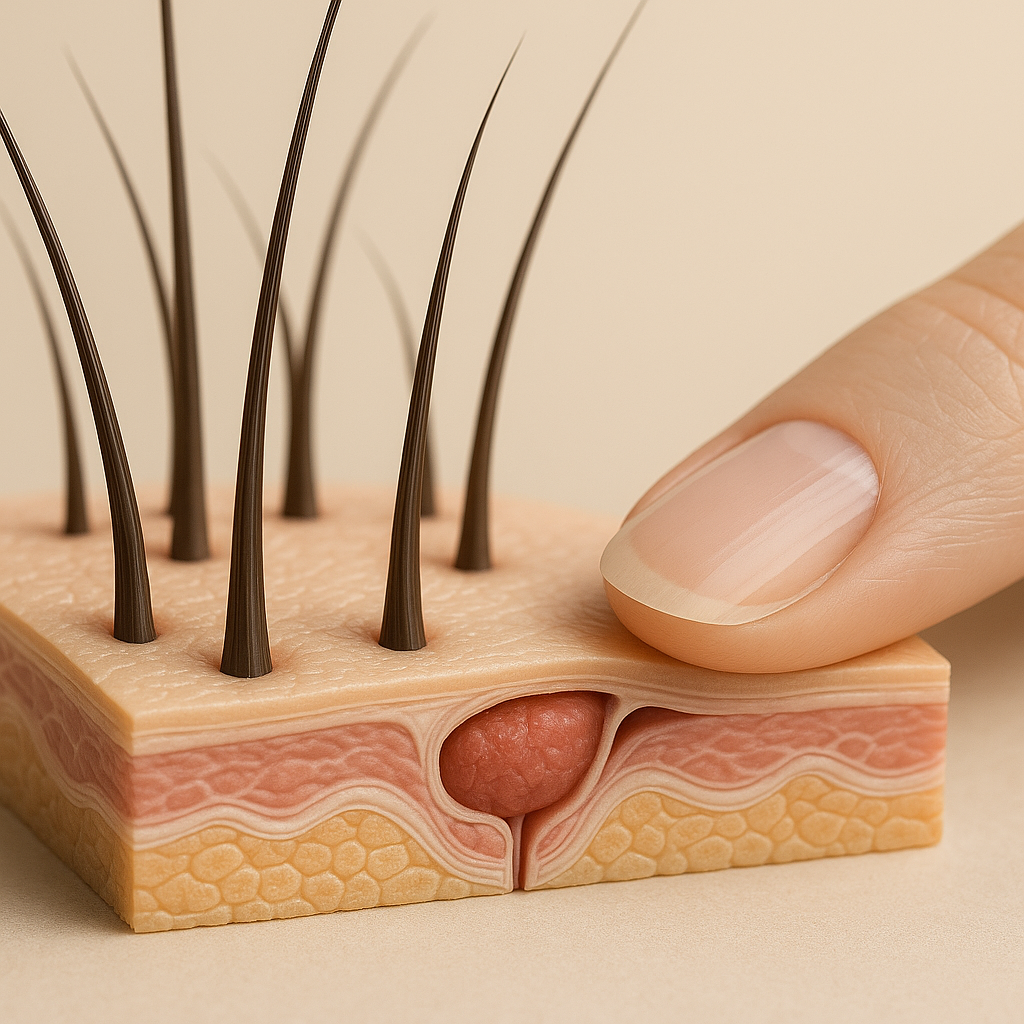
Designed for people looking to support the normal structure and appearance of hair, skin, and nails with a keratin- and micronutrient-based formula. Hydrolysed keratin provides structural amino acids, while biotin, zinc, selenium, and copper contribute to normal keratin formation and pigmentation-related processes. Nettle extract adds a botanical component traditionally used in beauty-focused supplements.
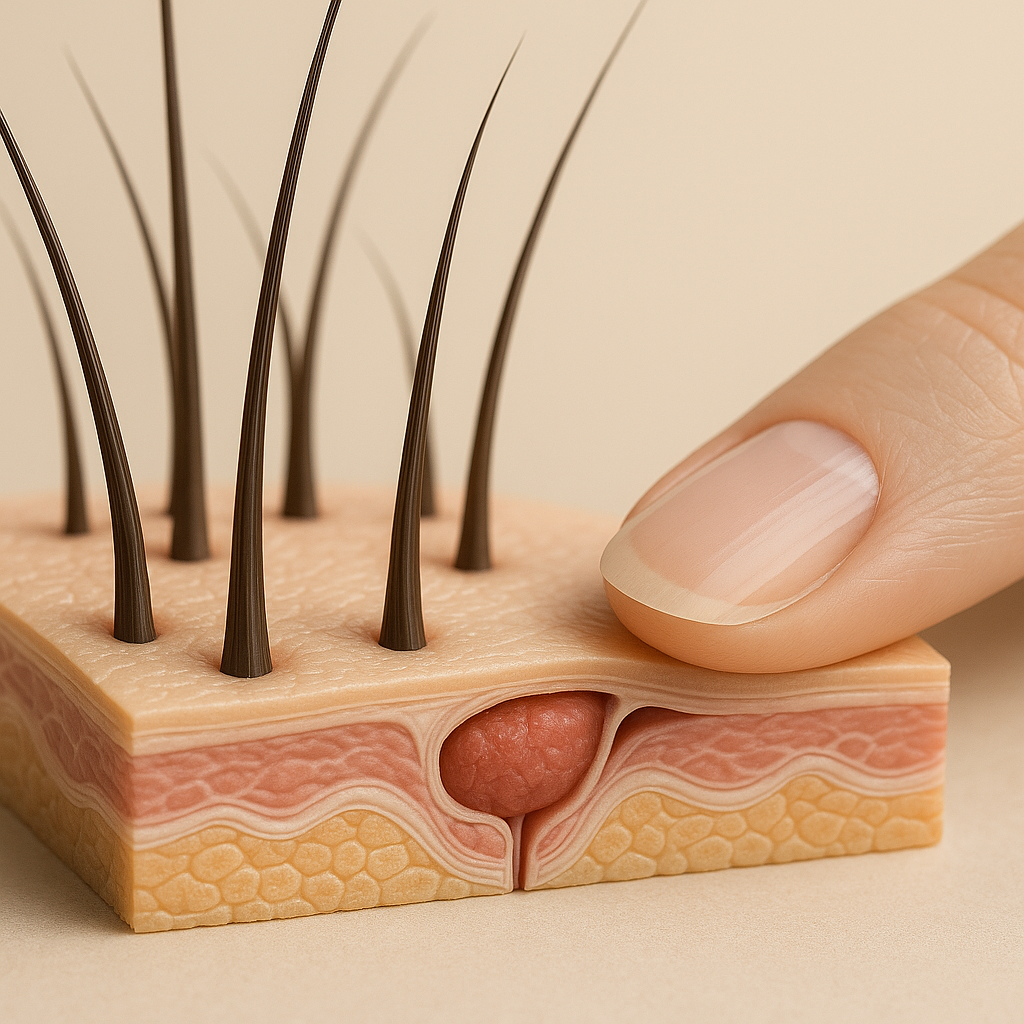
Hair
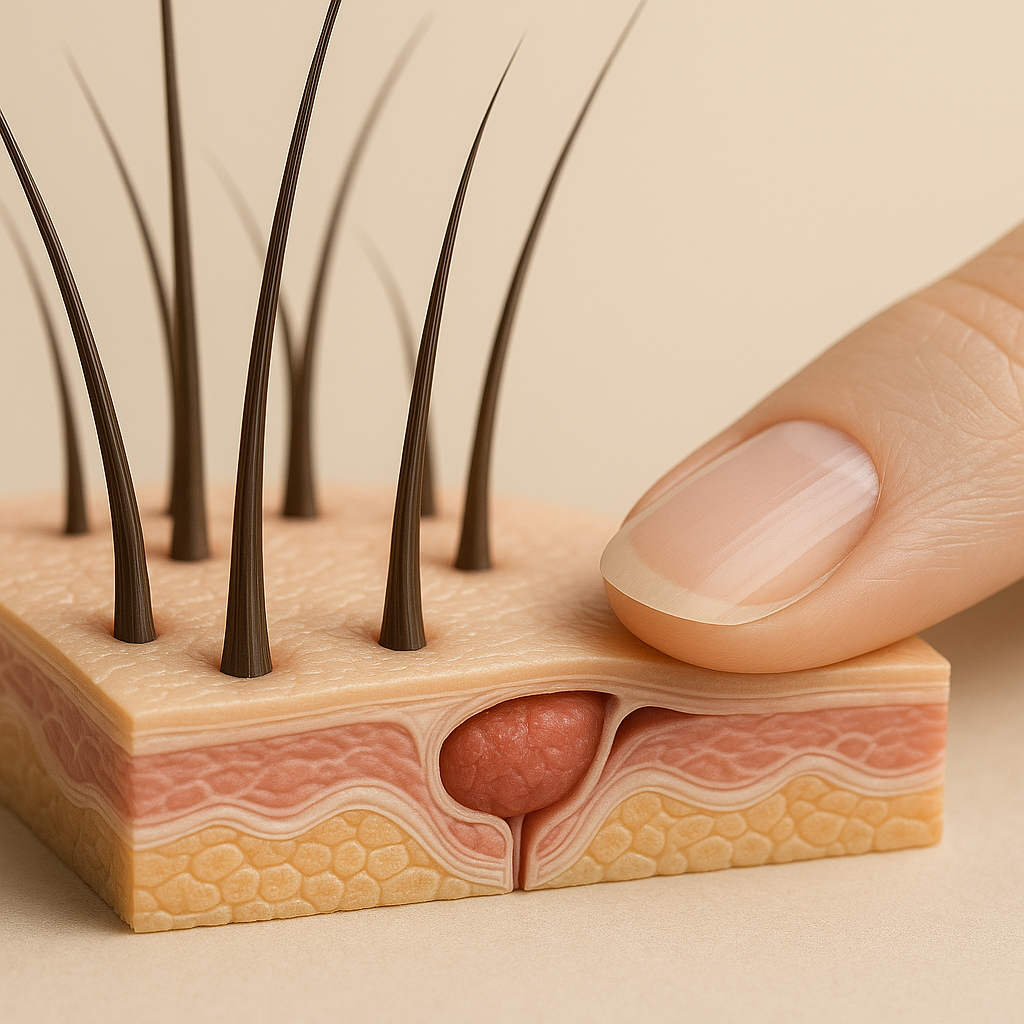
Suitable for periods when hair quality is a priority, such as seasonal changes or after styling stress, by providing building blocks and supportive micronutrients. Hydrolysed keratin is paired with sulfur amino acids (L-methionine and L-cystine) that are commonly used in hair-focused formulations. Vitamin C and vitamin E complement the formula by supporting normal collagen formation and helping protect cells from oxidative stress.
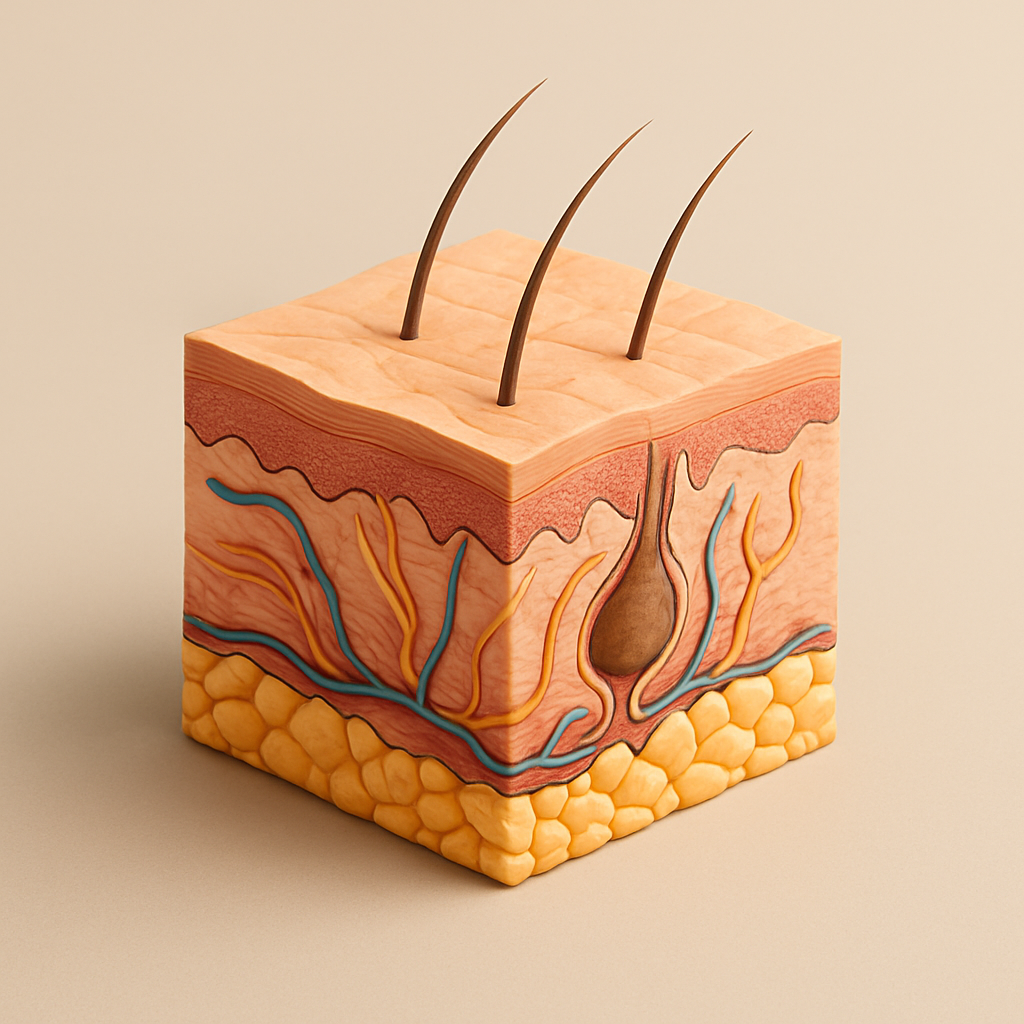
Skin Health
Can be used as part of a daily beauty routine to support normal skin structure and antioxidant balance. Vitamin C contributes to normal collagen formation for skin function, while vitamin E, zinc, and selenium support protection of cells from oxidative stress. Nettle extract (10:1, with silica specified) adds a plant-derived component often included in skin and beauty blends.
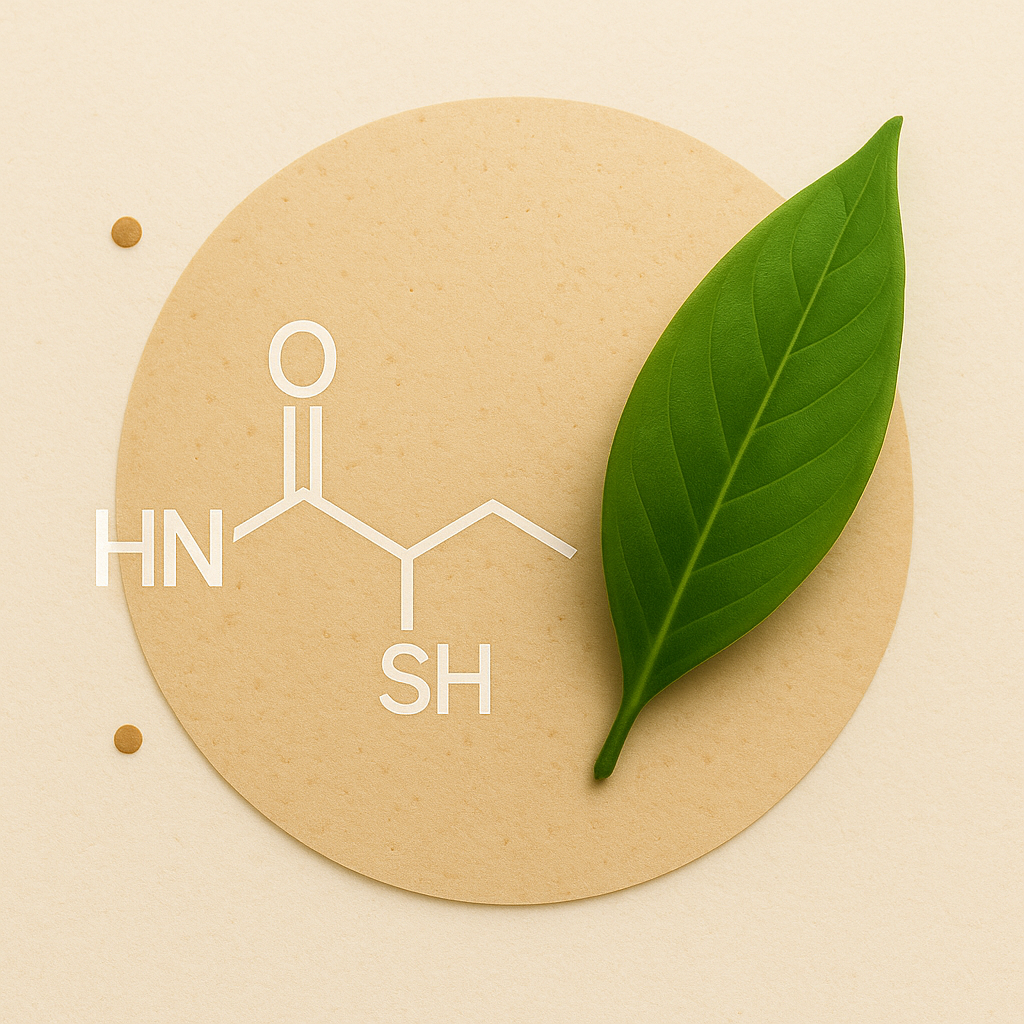
Antioxidant Support
Useful for general lifestyle support when oxidative stress may be higher (e.g., busy schedules, environmental exposure), without implying any medical outcome. Vitamin E, vitamin C, selenium, zinc, and copper are included as nutrients that contribute to antioxidant-related physiological functions. This benefit is supportive within the broader beauty-focused positioning of the formula.
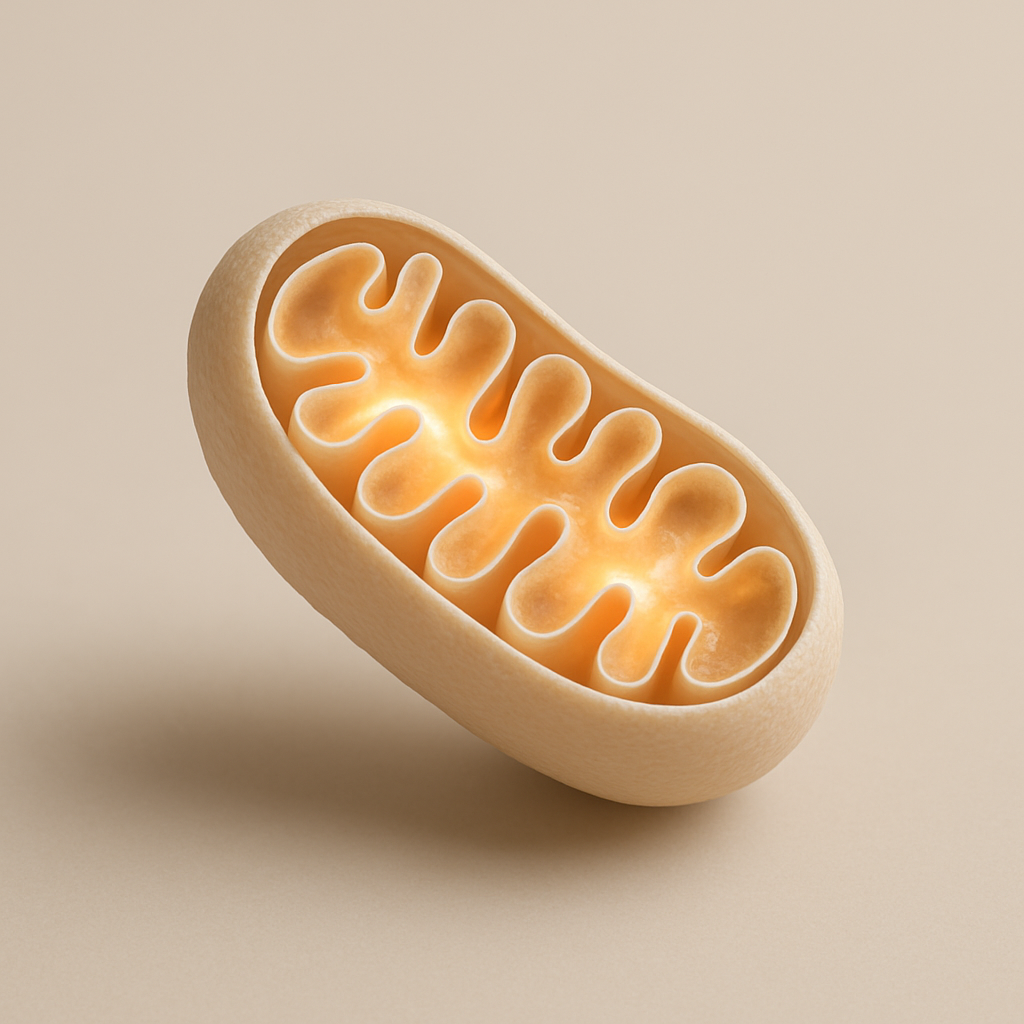
Energy Metabolism
May fit routines where users want nutritional coverage that also includes B-vitamins involved in normal energy-yielding metabolism. Niacin (B3), pantothenic acid (B5), vitamin B6, and folate (B9) are included at standard supplemental amounts. This is a peripheral benefit compared with the primary hair/skin/nails focus.