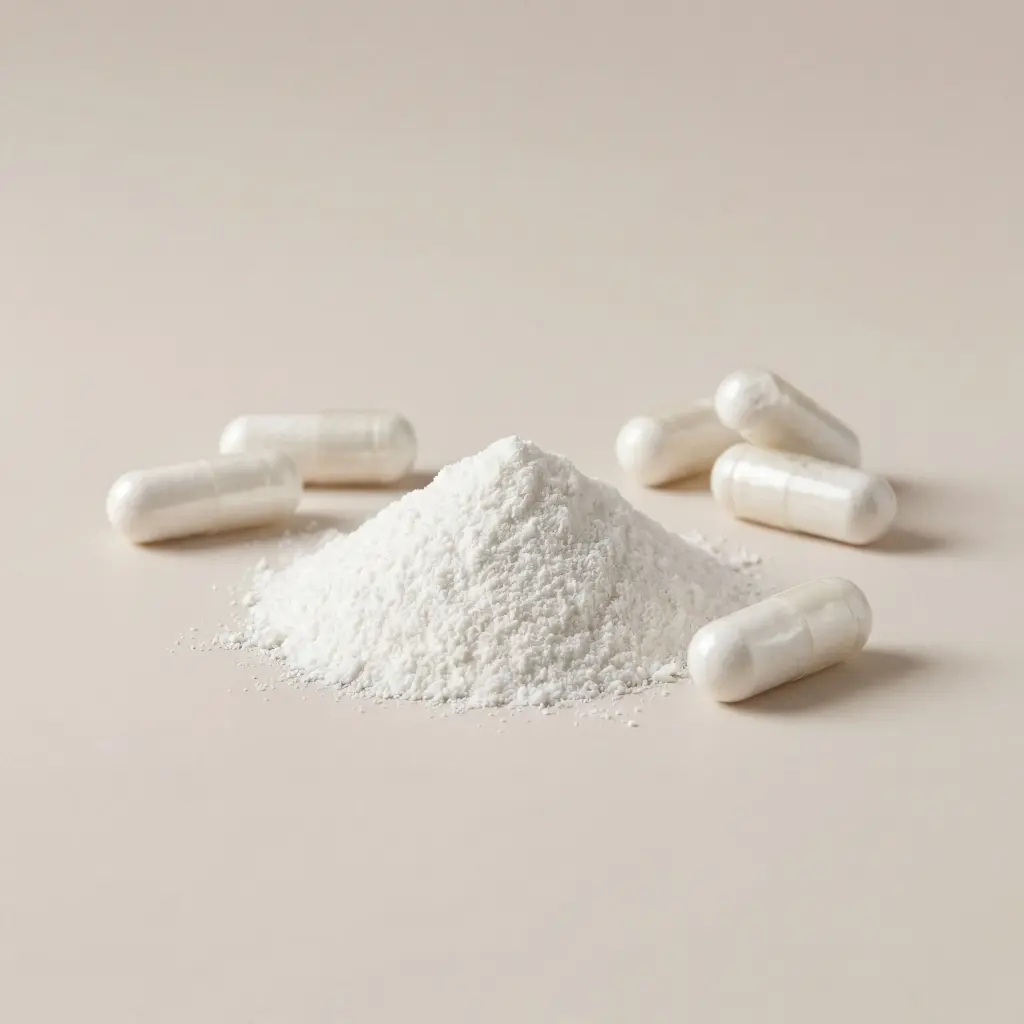
Créatine monohydrate 3000 mg
What this formula is designed for
This product provides creatine monohydrate in a capsule format, delivering 3,000 mg per serving. Creatine is widely used in sports nutrition routines that focus on training performance and repeated-effort output. The serving size is set as 5 capsules, which can be integrated into a daily schedule.
Because the formula is a single active ingredient, it is straightforward to combine with a structured training plan and consistent nutrition. The capsule shell is plant-based (HPMC) and functions as the delivery format rather than an active component.
Primary focus: athletic performance
Creatine monohydrate is commonly used to support performance in short, high-intensity efforts such as resistance training, sprints, and repeated intervals. A consistent daily intake is typically used to maintain creatine availability in the body. This can be relevant for people aiming to keep training quality steady across sessions.
The 3,000 mg serving provides a practical daily amount that many users choose for ongoing routines. Individual needs can vary depending on body size, training volume, and dietary patterns.
Secondary focus: energy and endurance during repeated efforts
Creatine is involved in rapid energy turnover, which is why it is often used for repeated sets, rounds, or interval work. Rather than acting like a stimulant, it is used as part of a foundational performance routine. This can be useful when training includes frequent bursts of effort with short rest periods.
Hydration and overall carbohydrate and protein intake can influence how a training plan feels, so creatine is typically considered one piece of a broader approach.
Supporting focus: muscle-oriented training goals
Creatine is frequently included in programs that emphasize maintaining muscle function and supporting training adaptations over time. It is commonly paired with progressive overload, adequate recovery, and sufficient dietary protein. The capsule format can help users keep intake consistent without measuring powders.
As with any supplement routine, results depend on training consistency, total diet, and individual response.
Additional considerations: mental performance and cellular energy
Creatine is also present in tissues with high energy demand, and some users include it in routines that support focus during mentally demanding periods. This is a complementary use compared with its primary role in training support. The product keeps the formula simple by using only creatine monohydrate as the active ingredient.
If you are sensitive to digestive changes, splitting the serving across the day may be an option to discuss with a professional. Always consider your personal context, including medications and health conditions, when starting a new supplement.
| Class | Ingredient | Quantity | NRV% |
|---|---|---|---|
| Other active | Creatine monohydrate | 3000.0 mg | 0.0 |
| Envelope | Vegetable capsule size 00 transparent (HPMC) | 216.0 mg | 0.0 |
Capsules Ingredients: Vegetable capsule size 00 transparent (HPMC) 216 mg
Allergens:
| Title | Description |
|---|---|
| Pregnancy – Low Risk | Not enough product-specific data for routine use in pregnancy, so use only with professional guidance. |
| Breastfeeding – Low Risk | Not enough product-specific data for routine use while breastfeeding, so use only with professional guidance. |
| Kidney disease or reduced kidney function – High Risk | Creatine use should be medically supervised when kidney function is impaired. |
| History of dehydration or frequent heat exposure – Medium Risk | Creatine routines are typically paired with adequate fluid intake, and dehydration risk may be higher during heat or intense training. |
| Under 18 years – Medium Risk | Not intended for children or adolescents unless advised by a qualified professional. |
| Title | Description |
|---|---|
| Gastrointestinal discomfort – Medium Risk | Some users may experience stomach upset, cramping, or nausea, especially if taken without food or with large single doses. |
| Loose stools – Medium Risk | Creatine can cause loose stools in some individuals, particularly when intake is not well tolerated. |
| Water retention/temporary weight change – Low Risk | Some people notice a change in body water balance when using creatine consistently. |
| Title | Description |
|---|---|
| Nephrotoxic medications (general) – High Risk | If taking medicines that can affect kidney function, creatine use should be discussed with a healthcare professional. |
| Diuretics – Medium Risk | Diuretics can influence hydration status, so combining with creatine may require extra attention to fluid intake. |
| NSAIDs used frequently – Medium Risk | Frequent NSAID use may be relevant for kidney considerations, so combining with creatine warrants professional advice. |
| Title | Description |
|---|---|
| General supplement warning – Low Risk | Food supplements should not be used as a substitute for a varied and balanced diet and a healthy lifestyle. |
| Daily dose warning – Low Risk | Do not exceed the recommended daily intake. |
| Children warning – Low Risk | Keep out of reach of young children. |
| Kidney condition warning – High Risk | If you have kidney disease, reduced kidney function, or unexplained changes in urination, consult a healthcare professional before use. |
| Hydration and heat exposure warning – Medium Risk | Ensure adequate fluid intake, especially during intense exercise or hot weather. |
| Pregnancy and breastfeeding warning – Low Risk | If pregnant or breastfeeding, consult a healthcare professional before use. |
| Manufacturing trace warning – Low Risk | May contain very small amounts of allergens due to shared production equipment, even when not present in the ingredient list. |
| Title | Description | Bioavailability |
|---|---|---|
| Creatine monohydrate | Provides creatine to support high-intensity exercise performance and repeated-effort training routines. | Creatine monohydrate is a standard, well-studied form with typical physiological availability. |
| Vegetable capsule size 00 transparent (HPMC) | Capsule shell used to deliver the ingredients in a convenient serving format. | Not applicable for excipients. |
| Allergen | Source Ingredient | Mandatory | Inference |
|---|---|---|---|
| None | None | No | None |
Population & target users: Adults (18+) looking to support training performance, especially repeated high-intensity efforts.
How to take: Take 5 capsules daily with water; taking with a meal may improve tolerance for some users.
Duration of use: Can be used daily; consider reviewing use after 8–12 weeks based on training goals and individual response.
Storage & conservation: Store in a cool, dry place away from direct sunlight; keep the container tightly closed.
Additional advice: Maintain adequate hydration, particularly during exercise and warm conditions; consult a healthcare professional if you have kidney issues, are pregnant/breastfeeding, or take regular medication.

Bienfaits

Athletic Performance
Creatine monohydrate is commonly used to support short-burst, high-intensity training such as sprinting or resistance exercise. A 3,000 mg serving can be used as part of a consistent routine to help maintain training output and overall workout quality.
Energy & Endurance
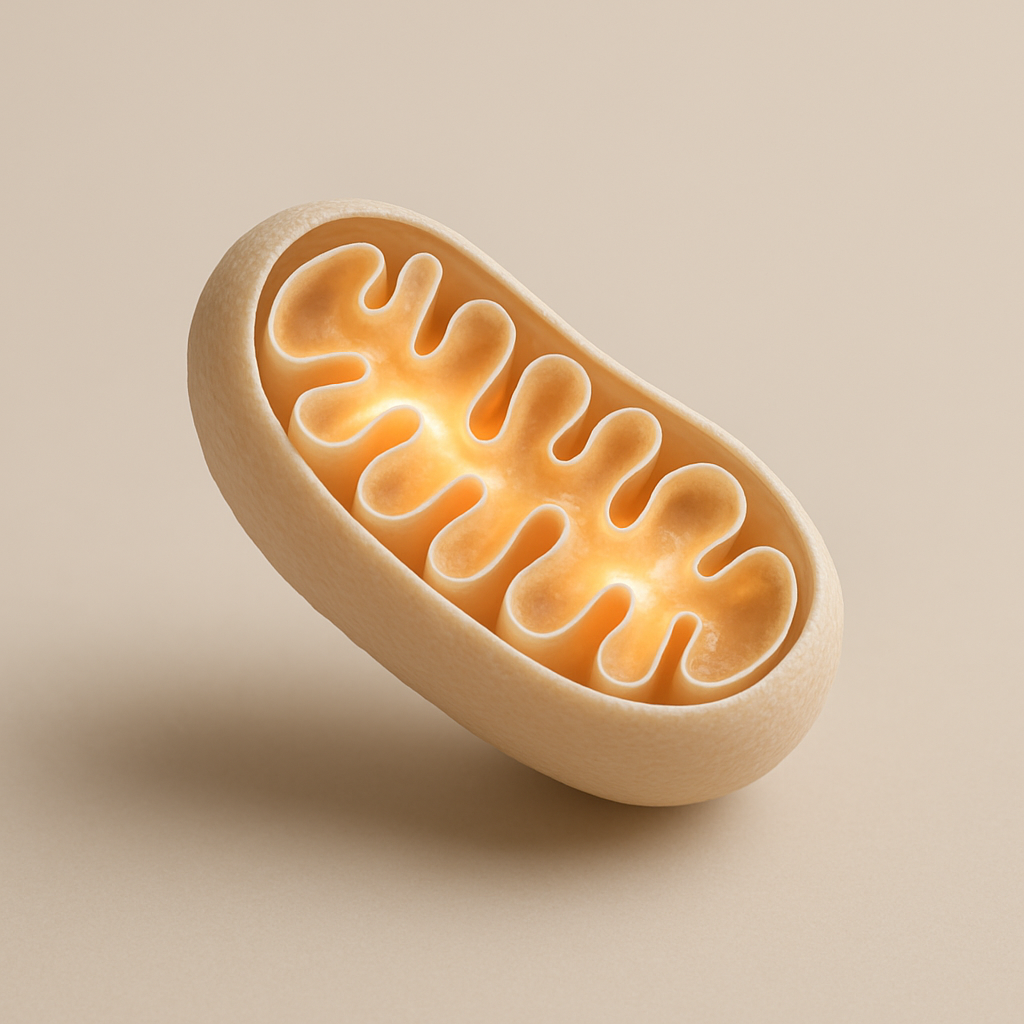
Creatine monohydrate supports the body’s rapid energy recycling needs during repeated efforts, which can be relevant for interval-style sessions. Used daily, it can fit into a program aimed at sustaining performance across multiple sets or rounds.

Muscle Health
Creatine monohydrate is often included in sports nutrition routines that focus on maintaining muscle function during training phases. It can be paired with adequate protein intake and progressive training to support overall muscle-focused goals.

Mental Performance
Creatine is also present in tissues with high energy demand, and some people use it as part of a routine that supports focus during demanding days. This product provides creatine monohydrate in capsules, which may suit users who prefer a measured daily intake.

Cellular Health
Creatine participates in cellular energy buffering via phosphocreatine pathways, which is a general reason it is used in performance-oriented supplementation. This is a peripheral, general-wellness angle compared with its more direct use in training support.