
Skin & Hair Beauty
Everyday beauty-focused nutrient support
Skin & Hair Beauty is a multi-nutrient formula built around vitamins and minerals commonly used in appearance-focused routines. It combines biotin, zinc, selenium, vitamin C, and a full set of B-vitamins in one daily serving. The overall aim is to support normal physiological functions that relate to hair, skin, and nail maintenance.
Hair, skin and nail maintenance nutrients
D-biotin is included as a key beauty nutrient often used for hair and nail upkeep. Zinc citrate and selenium (as L-selenomethionine) complement this by providing trace minerals that support normal tissue maintenance and cellular processes. Together, these nutrients are commonly chosen to help cover dietary gaps that may affect appearance-related goals.
Collagen-supportive nutrition
Vitamin C (ascorbic acid) contributes to normal collagen formation, which is relevant to skin structure and connective tissues. This makes vitamin C a practical addition to a skin-focused supplement routine, especially when paired with supportive micronutrients. The formula is designed for consistent daily use rather than short-term changes.
Antioxidant-related support
Vitamin C and selenium contribute to the protection of cells from oxidative stress, supporting general wellness. Riboflavin (vitamin B2) also participates in normal redox and energy pathways. This antioxidant-related angle is supportive and complements the primary beauty positioning.
B-vitamin coverage for daily metabolism
The B-vitamin blend (B1, B2, B3, B5, B6, B9, B12) supports normal energy-yielding metabolism and helps provide cofactor coverage for everyday nutritional needs. These vitamins are included to complement the core beauty nutrients rather than replace a balanced diet. This can be useful during busy periods when food variety is inconsistent.
Mineral base and formulation components
Calcium citrate provides a well-known calcium form, adding a broader mineral component to the formula. The product also contains standard food-supplement excipients such as sweeteners, acids, and anti-caking agents to support taste, stability, and manufacturing performance. The combination is intended to be straightforward to integrate into a daily routine.
| Class | Ingredient | Quantity | NRV% |
|---|---|---|---|
| Mineraal | Calcium citrate | 200.0 mg | 25.0 |
| Vitamine | Vitamin C (ascorbic acid) | 160.0 mg | 200.0 |
| Vitamine | Niacin – Vitamin B3 | 16.0 mg | 100.0 |
| Mineraal | Zinc citrate | 10.0 mg | 100.0 |
| Vitamine | Calcium pantothenate – Vitamin B5 | 6.0 mg | 100.0 |
| Vitamine | Vitamin B6 – Pyridoxine hydrochloride | 2.0 mg | 143.0 |
| Vitamine | Riboflavin – Vitamin B2 | 1.6 mg | 114.0 |
| Vitamine | Thiamine – Vitamin B1 | 1.4 mg | 127.0 |
| Vitamine | D-Biotin | 1.0 mg | 2000.0 |
| Mineraal | L-selenomethionine | 0.5 mg | 91.0 |
| Vitamine | Folic acid – Vitamin B9 | 0.2 mg | 100.0 |
| Vitamine | Vitamin B12 – Cyanocobalamin | 0.001 mg | 40.0 |
| Hulpstof | Sorbitol – sweetener | 873.5 mg | 0.0 |
| Hulpstof | Sodium bicarbonate | 857.0 mg | 0.0 |
| Hulpstof | Citric acid | 754.2 mg | 0.0 |
| Hulpstof | Corn starch (anti-caking agent) | 100.0 mg | 0.0 |
| Hulpstof | Malic acid (acidity regulator) | 100.0 mg | 0.0 |
| Hulpstof | Peach flavor | 50.0 mg | 0.0 |
| Hulpstof | Silicon dioxide (anti-caking agent) | 30.0 mg | 0.0 |
| Hulpstof | Sucralose – sweetener | 10.0 mg | 0.0 |
| Hulpstof | Acesulfame K – sweetener | 10.0 mg | 0.0 |
| Hulpstof | Polyethylene glycol 6000 (filler agent) | 2.0 mg | 0.0 |
Capsules Ingredients: Sorbitol – sweetener; Sodium bicarbonate; Citric acid; Corn starch (anti-caking agent); Malic acid (acidity regulator); Peach flavor; Silicon dioxide (anti-caking agent); Sucralose – sweetener; Acesulfame K – sweetener; Polyethylene glycol 6000 (filler agent)
Allergens:
| Title | Description |
|---|---|
| Pregnancy – Medium Risk | High biotin intake and supplemental vitamin/mineral combinations should be used in pregnancy only with professional guidance. |
| Breastfeeding – Medium Risk | Use during breastfeeding should be discussed with a healthcare professional due to concentrated micronutrient dosing. |
| Kidney stone history – Medium Risk | Vitamin C supplementation may be unsuitable for individuals prone to certain kidney stones depending on personal risk factors. |
| Kidney impairment – Medium Risk | Mineral and electrolyte-containing supplements (e.g., calcium salts, sodium bicarbonate) may require medical supervision in kidney disease. |
| Hemochromatosis/iron overload disorders – Low Risk | Vitamin C can increase dietary iron absorption, which may be undesirable in iron overload conditions. |
| Known sensitivity to sweeteners/polyols – Low Risk | Sorbitol and high-intensity sweeteners may be poorly tolerated by some individuals. |
| Title | Description |
|---|---|
| Gastrointestinal discomfort – Medium Risk | Sorbitol and acids (citric/malic) may cause bloating, gas, or loose stools in sensitive individuals. |
| Flushing/skin warmth – Low Risk | Niacin may cause mild flushing in some people depending on individual sensitivity. |
| Nausea or stomach upset – Low Risk | Minerals and vitamin C can cause mild stomach upset, especially when taken without food. |
| Headache – Low Risk | Some individuals report headaches with certain sweeteners or higher-dose B-vitamins. |
| Title | Description |
|---|---|
| Warfarin/anticoagulants – Low Risk | Vitamin and mineral supplements can affect overall nutritional status; monitoring is prudent when using anticoagulants. |
| Thyroid medication (levothyroxine) – Medium Risk | Calcium can reduce absorption of levothyroxine if taken too close together; separate dosing is typically recommended. |
| Tetracycline/quinolone antibiotics – Medium Risk | Minerals such as calcium and zinc can bind certain antibiotics and reduce absorption; separate dosing is advised. |
| Diuretics affecting electrolytes – Low Risk | Electrolyte and mineral intake may need consideration when using diuretics, depending on the specific medicine. |
| Antidiabetic medications – Low Risk | Niacin may influence glucose handling in some individuals; monitoring may be appropriate if using glucose-lowering medication. |
| Title | Description |
|---|---|
| General supplement warning – Low Risk | Food supplements should not be used as a substitute for a varied and balanced diet and a healthy lifestyle. |
| Daily dose warning – Low Risk | Do not exceed the recommended daily intake. |
| Children warning – Low Risk | Keep out of reach of young children. |
| Pregnancy and breastfeeding warning – Medium Risk | If pregnant, breastfeeding, trying to conceive, or under medical supervision, consult a healthcare professional before use. |
| Medication timing warning (calcium/zinc) – Medium Risk | If taking thyroid medication or certain antibiotics, take this product at a different time of day to avoid reduced medication absorption. |
| Lab test interference (biotin) – Medium Risk | Biotin may interfere with some laboratory tests; inform your healthcare professional and consider pausing before blood tests if advised. |
| Manufacturing trace warning – Low Risk | May contain very small amounts of allergens due to shared production equipment, even when not present in the ingredient list. |
| Title | Description | Bioavailability |
|---|---|---|
| Calcium citrate | Provides a source of calcium to support overall mineral intake. | Citrate mineral form with typical physiological availability. |
| Vitamin C (ascorbic acid) | Provides vitamin C to support collagen formation and antioxidant-related functions. | Standard vitamin form with typical physiological availability. |
| Niacin – Vitamin B3 | Provides vitamin B3 as a cofactor for normal energy-yielding metabolism. | Standard vitamin form with typical physiological availability. |
| Zinc citrate | Provides zinc to support normal skin-related and general metabolic functions. | Citrate mineral form with typical physiological availability. |
| Calcium pantothenate – Vitamin B5 | Provides vitamin B5 to support coenzyme A-related metabolic processes. | Standard vitamin salt form with typical physiological availability. |
| Vitamin B6 – Pyridoxine hydrochloride | Provides vitamin B6 to support normal amino acid and energy metabolism. | Hydrochloride salt form with typical physiological availability. |
| Riboflavin – Vitamin B2 | Provides vitamin B2 to support normal energy metabolism and redox pathways. | Standard vitamin form with typical physiological availability. |
| Thiamine – Vitamin B1 | Provides vitamin B1 to support normal carbohydrate metabolism. | Standard vitamin form with typical physiological availability. |
| D-Biotin | Provides biotin, commonly used in beauty-focused routines for hair and nail maintenance. | Standard vitamin form with typical physiological availability. |
| L-selenomethionine | Provides selenium in an amino-acid-bound form to support normal antioxidant enzyme function. | Selenomethionine form with typical physiological availability. |
| Folic acid – Vitamin B9 | Provides folate to support normal cell division and amino acid metabolism. | Folic acid form with typical physiological availability. |
| Vitamin B12 – Cyanocobalamin | Provides vitamin B12 to support normal energy metabolism and red blood cell formation. | Cyanocobalamin form with typical physiological availability. |
| Sorbitol – sweetener | Sweetener used to improve taste and mouthfeel. | Not applicable for excipients. |
| Sodium bicarbonate | Acidity regulator/buffering agent used to control effervescence and pH. | Not applicable for excipients. |
| Citric acid | Acidulant used for flavor balance and pH control. | Not applicable for excipients. |
| Corn starch (anti-caking agent) | Anti-caking agent used to improve powder flow and reduce clumping. | Not applicable for excipients. |
| Malic acid (acidity regulator) | Acidity regulator used to adjust taste and pH. | Not applicable for excipients. |
| Peach flavor | Flavoring agent used to provide peach taste. | Not applicable for excipients. |
| Silicon dioxide (anti-caking agent) | Anti-caking agent used to improve flow properties and stability. | Not applicable for excipients. |
| Sucralose – sweetener | High-intensity sweetener used to enhance sweetness with minimal bulk. | Not applicable for excipients. |
| Acesulfame K – sweetener | High-intensity sweetener used to enhance sweetness. | Not applicable for excipients. |
| Polyethylene glycol 6000 (filler agent) | Filler/binder used to support processing and product consistency. | Not applicable for excipients. |
| Allergen | Source Ingredient | Mandatory | Inference |
|---|---|---|---|
| None | None | No | None |
Population & target users:
- Adults (18+) seeking daily hair, skin, and nail nutritional support.
- Not intended for children.
How to take:
- Take 1 serving daily, preferably with a meal and a glass of water.
- If using thyroid medication or certain antibiotics, separate intake by several hours.
Duration of use:
- Use consistently for 8–12 weeks, then reassess based on dietary intake and personal goals.
Storage & conservation:
- Store in a cool, dry place away from direct sunlight.
- Keep container tightly closed and out of reach of children.
| MDC BRANDS: Ethyos |
Voordelen
Hair, Skin & Nails
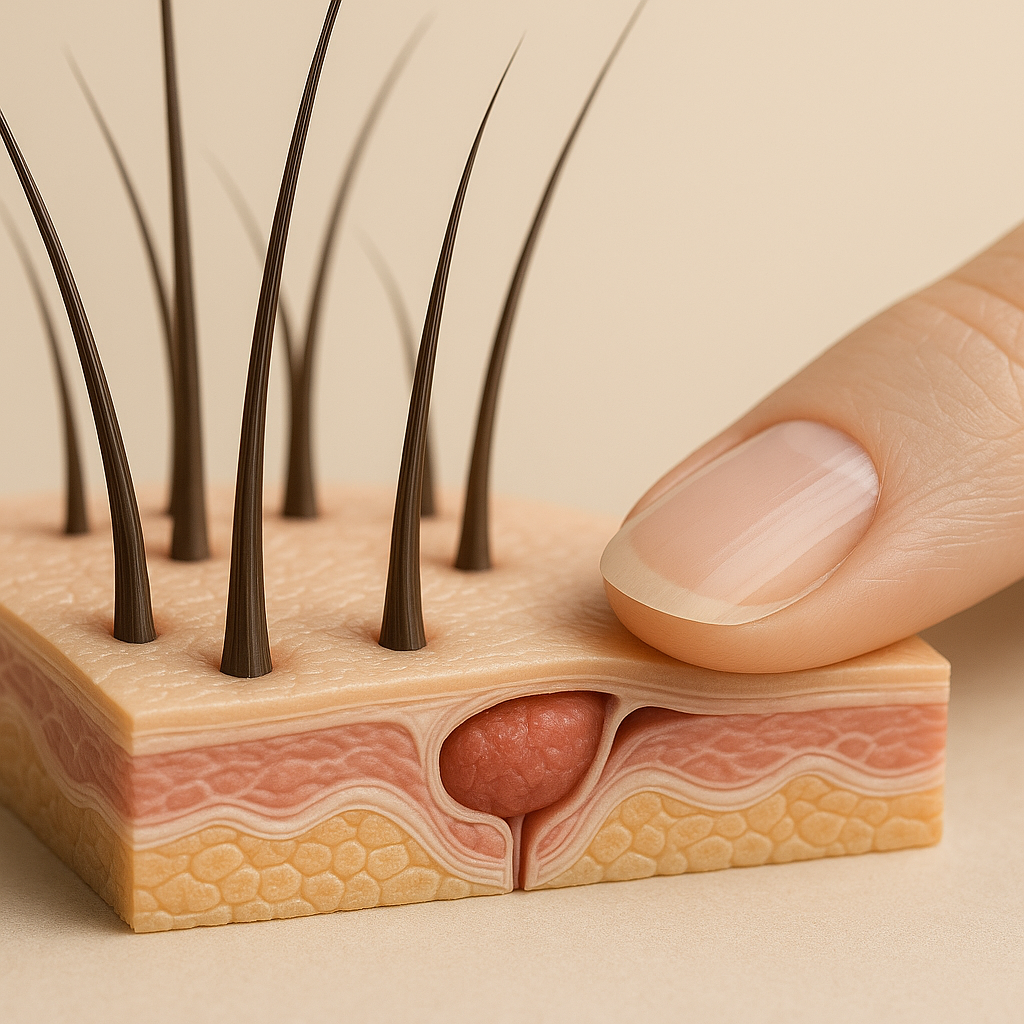
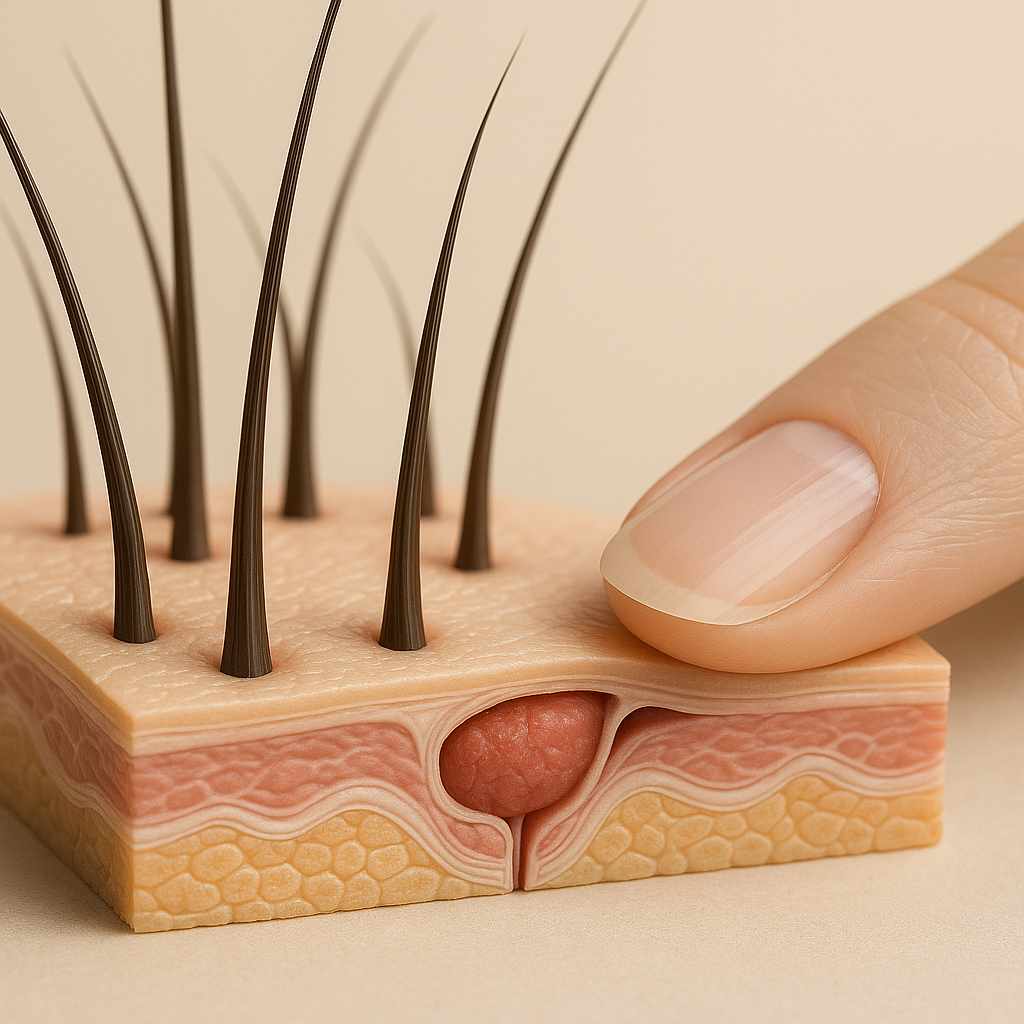
Designed to support everyday hair, skin, and nail maintenance with a focused blend of biotin (D-biotin), zinc (zinc citrate), and selenium (L-selenomethionine). Vitamin C and B-vitamins complement the formula by supporting normal collagen formation and nutrient metabolism that can be relevant to appearance-focused routines. This is suited for people looking to maintain a consistent beauty-support supplement habit alongside diet and skincare.

Skin Health
Vitamin C (ascorbic acid) contributes to normal collagen formation, which is commonly included in skin-focused supplement routines. Zinc citrate and riboflavin (vitamin B2) add nutritional support for normal skin maintenance. This use case fits daily wellness support where skin appearance is a priority, without implying specific outcomes.
Antioxidant Support
Vitamin C and selenium (from L-selenomethionine) are included as nutrients that contribute to protection of cells from oxidative stress. Riboflavin (vitamin B2) also supports antioxidant-related pathways in normal physiology. This can be relevant for general lifestyle support during periods of higher environmental or training-related stress.
Energy Metabolism
The B-vitamin set (B1, B2, B3, B5, B6, B9, B12) supports normal energy-yielding metabolism and can be used as part of a daily routine when dietary intake may vary. Niacin, pantothenic acid, and vitamin B6 are commonly used to support metabolic cofactor coverage. This benefit is supportive rather than the main focus of the formula.

Bone Health
Calcium citrate provides a source of calcium that can help support normal bone maintenance as part of overall mineral intake. Vitamin C also supports normal collagen formation, which is a structural component relevant to connective tissues. This is a peripheral benefit in this formula compared with the beauty-focused nutrient profile.