Digestion
Everyday digestive-focused botanical blend
This formula combines several standardized herbal extracts selected for day-to-day digestive wellbeing. It is designed to be used around meals as part of a routine that supports comfortable digestion. The blend emphasizes traditional digestive botanicals while keeping the overall positioning non-stimulant and food-supplement oriented.
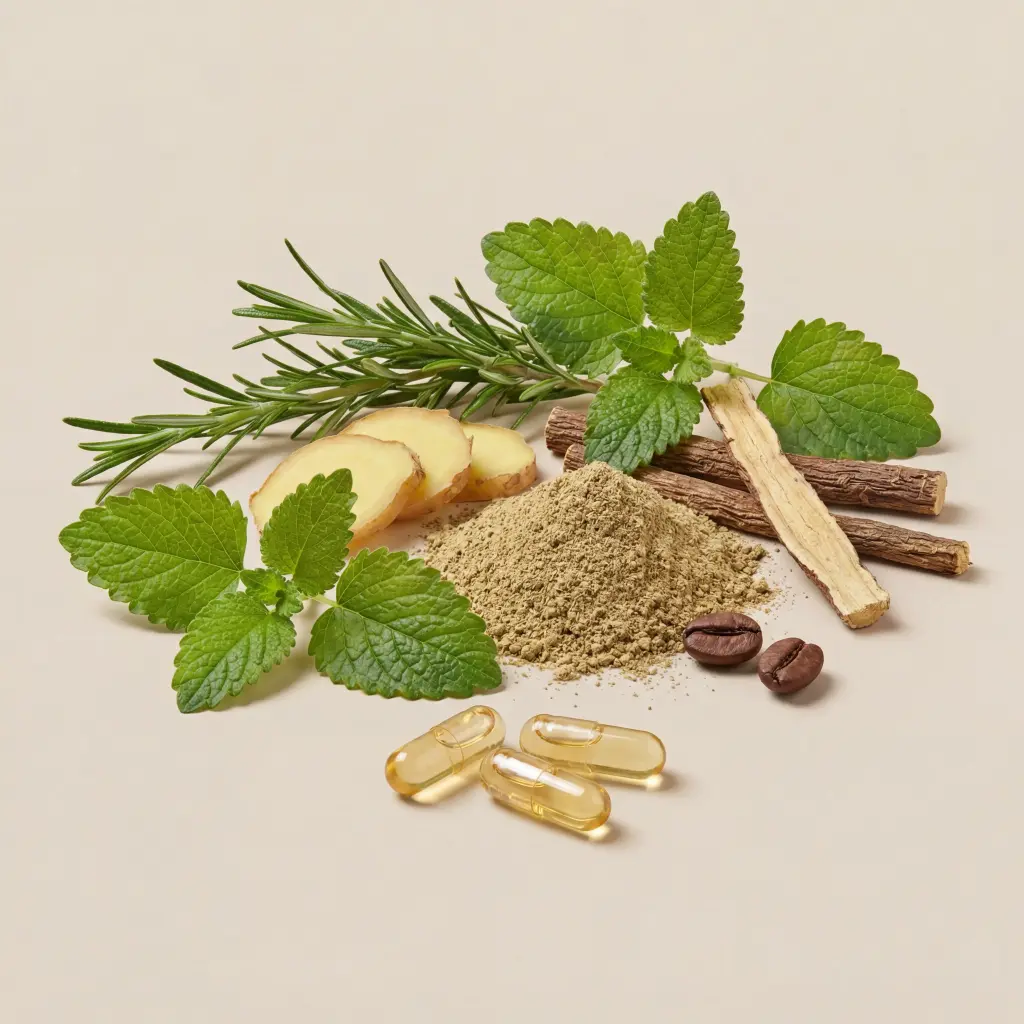
Key extracts include ginger, dandelion root, lemon balm, rosemary, and licorice. Each is provided in a defined extract form with declared marker compounds. The result is a composition-led approach to digestive health and gut comfort.
Primary focus: digestive health and post-meal comfort
Ginger (Zingiber officinale) is included as a standardized extract (5% essential oils and gingerols) and is widely used in digestive formulas for meal-related comfort. Lemon balm (Melissa officinalis) provides rosmarinic acid and is often used in blends aimed at a calm digestive experience. Licorice (Glycyrrhiza glabra) adds a traditional soothing botanical component, with glycyrrhizin content specified.
Together, these extracts support a routine centered on digestive comfort without implying medical outcomes. The formula is suitable for people who want a plant-based approach to everyday digestion. It can be used consistently or during periods when digestion feels more sensitive.
Supporting the gut environment
Dandelion (Taraxacum officinale) root extract is included with declared inulin content. Inulin is a well-known prebiotic fiber component that can support a gut environment aligned with normal digestive function. This complements the comfort-oriented botanicals by adding a gut-focused nutritional angle.
Because the extract is standardized, the composition is more consistent than non-standardized plant powders. This can help maintain predictable intake of the declared constituents. The overall approach remains centered on digestive wellness rather than targeted therapeutic use.
Complementary botanical roles and synergies
Rosemary (Salvia rosmarinus) leaf extract is standardized to ursolic acid and contributes plant polyphenol-style support within the blend. When paired with lemon balm’s rosmarinic acid, the formula includes multiple characterized botanical constituents. These components can complement a general wellness routine that values plant-derived compounds.
The combination of ginger, lemon balm, and licorice is commonly seen in digestive blends where comfort and routine use are priorities. Dandelion and rosemary broaden the profile beyond a single-herb approach. This multi-extract design supports a more rounded digestive supplement concept.
What to expect from the formula
This product is intended for adults seeking a neutral, everyday digestive support supplement. Effects can vary depending on diet, timing with meals, and individual sensitivity to botanicals. If you are pregnant, breastfeeding, have high blood pressure, or take medication, professional advice is recommended before use due to the inclusion of licorice extract.
The capsule uses a vegetable shell (HPMC) and includes rice flour as a processing aid. The ingredient list is focused on standardized extracts rather than added vitamins or minerals. This keeps the product aligned with a botanical digestive-support profile.
| Class | Ingredient | Quantity | NRV% |
|---|---|---|---|
| Plant extract | Salvia rosmarinus (leaves) – 25% ursolic acid (25:1) | 200.0 mg | 0.0 |
| Plant extract | Dandelion – Taraxacum officinale (roots) – 2% inulin (9:1) | 200.0 mg | 0.0 |
| Plant extract | Melissa officinalis (leaves) – 2.5% rosmarinic acid | 150.0 mg | 0.0 |
| Plant extract | Ginger – Zingiber officinale (roots) – 5% essential oils and gingerols (10:1) | 150.0 mg | 0.0 |
| Plant extract | Licorice – Glycyrrhiza glabra (roots) – 20% glycyrrhizin (5:1) | 100.0 mg | 0.0 |
| Excipient | Rice flour | 20.0 mg | 0.0 |
| Envelope | Vegetable capsule 0 (hydroxypropylmethylcellulose) – coating agent | 192.0 mg | 0.0 |
Capsules Ingredients: Rice flour; Vegetable capsule 0 (hydroxypropylmethylcellulose) – coating agent
Allergens:
| Title | Description |
|---|---|
| Pregnancy – Medium Risk | Due to limited safety data for several concentrated herbal extracts and the presence of licorice extract, use during pregnancy should be discussed with a healthcare professional. |
| Breastfeeding – Medium Risk | Concentrated botanical extracts may not be appropriate for all breastfeeding individuals; seek professional advice before use. |
| High blood pressure – High Risk | Licorice extract (glycyrrhizin) may affect blood pressure and fluid balance in sensitive individuals. |
| Kidney disease or fluid retention tendency – Medium Risk | Licorice (glycyrrhizin) can influence electrolyte and fluid balance, which may be unsuitable for some kidney conditions. |
| Liver sensitivity – Low Risk | If you have a history of liver sensitivity, introduce multi-herb extracts cautiously and discontinue if unusual symptoms occur. |
| Gallbladder issues – Medium Risk | Digestive botanicals such as ginger and dandelion may not suit everyone with gallbladder-related sensitivities. |
| Known allergy to Lamiaceae/Asteraceae botanicals – Medium Risk | Rosemary and lemon balm (Lamiaceae) and dandelion (Asteraceae) may trigger reactions in individuals with relevant plant allergies. |
| Title | Description |
|---|---|
| Gastrointestinal upset – Low Risk | Some individuals may experience mild stomach discomfort, gas, or changes in bowel habits when starting botanical extracts. |
| Heartburn or warming sensation – Low Risk | Ginger extract may cause a warming sensation or heartburn in sensitive users, especially if taken without food. |
| Headache or dizziness – Low Risk | Herbal extracts can occasionally be associated with headache or lightheadedness in sensitive individuals. |
| Blood pressure changes – Medium Risk | Licorice extract containing glycyrrhizin may contribute to increased blood pressure in susceptible individuals. |
| Electrolyte imbalance (low potassium) – Medium Risk | Higher or prolonged intake of glycyrrhizin-containing licorice may affect potassium balance in sensitive individuals. |
| Title | Description |
|---|---|
| Antihypertensive medicines – High Risk | Licorice (glycyrrhizin) may counteract blood-pressure-lowering medicines or complicate blood pressure control. |
| Diuretics – High Risk | Licorice may increase the risk of potassium imbalance when combined with diuretic medications. |
| Corticosteroids – Medium Risk | Licorice may influence fluid and electrolyte balance, which can be relevant when used with corticosteroids. |
| Anticoagulants/antiplatelets – Medium Risk | Ginger may not be suitable for everyone using blood-thinning medicines; consult a healthcare professional before combining. |
| Diabetes medicines – Low Risk | Some botanicals may influence appetite or dietary patterns; monitor as advised if using glucose-lowering medication. |
| Title | Description |
|---|---|
| General supplement warning – Low Risk | Food supplements should not be used as a substitute for a varied and balanced diet and a healthy lifestyle. |
| Daily dose warning – Low Risk | Do not exceed the recommended daily intake. |
| Children warning – Low Risk | Keep out of reach of young children. |
| Pregnancy & breastfeeding warning – Medium Risk | If you are pregnant or breastfeeding, consult a healthcare professional before use due to the presence of concentrated herbal extracts, including licorice. |
| Blood pressure & diuretics warning – High Risk | Contains licorice extract (glycyrrhizin); consult a healthcare professional before use if you have high blood pressure, kidney issues, or use diuretics. |
| Medication use warning – Medium Risk | If you take anticoagulants/antiplatelets or other long-term medication, seek professional advice before use due to potential herb–drug interactions. |
| Manufacturing trace warning – Low Risk | May contain very small amounts of allergens due to shared production equipment, even when not present in the ingredient list. |
| Title | Description | Bioavailability |
|---|---|---|
| Salvia rosmarinus (leaves) – 25% ursolic acid (25:1) | Standardized rosemary leaf extract included to provide defined ursolic-acid-containing botanical constituents within the blend. | Standardized botanical extract (25:1) with declared marker (25% ursolic acid) and typical absorption characteristics. |
| Dandelion – Taraxacum officinale (roots) – 2% inulin (9:1) | Dandelion root extract included as a traditional digestive botanical and a source of declared inulin. | Standardized botanical extract (9:1) with declared marker (2% inulin) and typical absorption characteristics. |
| Melissa officinalis (leaves) – 2.5% rosmarinic acid | Lemon balm leaf extract included to contribute rosmarinic-acid-standardized botanical compounds often used in digestive-comfort blends. | Standardized botanical extract with declared marker (2.5% rosmarinic acid) and typical absorption characteristics. |
| Ginger – Zingiber officinale (roots) – 5% essential oils and gingerols (10:1) | Standardized ginger root extract included to support normal digestive function and meal-related comfort in a wellness context. | Standardized botanical extract (10:1) with declared markers (5% essential oils and gingerols) and typical absorption characteristics. |
| Licorice – Glycyrrhiza glabra (roots) – 20% glycyrrhizin (5:1) | Licorice root extract included as a traditional soothing botanical component within digestive-focused formulas. | Standardized botanical extract (5:1) with declared marker (20% glycyrrhizin) and typical absorption characteristics. |
| Rice flour | Filler/carrier used to aid processing and capsule fill consistency. | Not applicable for excipients. |
| Vegetable capsule 0 (hydroxypropylmethylcellulose) – coating agent | Capsule shell/coating agent used to contain the ingredients. | Not applicable for excipients. |
| Allergen | Source Ingredient | Mandatory | Inference |
|---|---|---|---|
| None | None | No | None |
Population & target users:
- Adults (18+) seeking everyday digestive wellbeing and gut comfort support.
- Not intended for children.
How to take:
- Take 1 capsule daily with a meal and a glass of water.
- If sensitive to botanicals, start with 1 capsule every other day and assess tolerance.
Duration of use:
- Suitable for routine use; consider a break after 6–8 weeks of continuous use, especially due to licorice content.
- If you wish to use longer-term, seek professional advice.
Storage & conservation:
- Store in a cool, dry place away from direct sunlight.
- Keep the container tightly closed.
- Keep out of reach of young children.
| MDC BRANDS: Ethyos |

Bienfaits

Digestive Health
Designed for everyday digestive support using a blend of botanical extracts such as ginger (Zingiber officinale) and dandelion (Taraxacum officinale). These ingredients are commonly used to support comfortable digestion and post-meal wellbeing. Lemon balm (Melissa officinalis) and licorice (Glycyrrhiza glabra) complement the formula for broader gastrointestinal comfort.
Gut Comfort
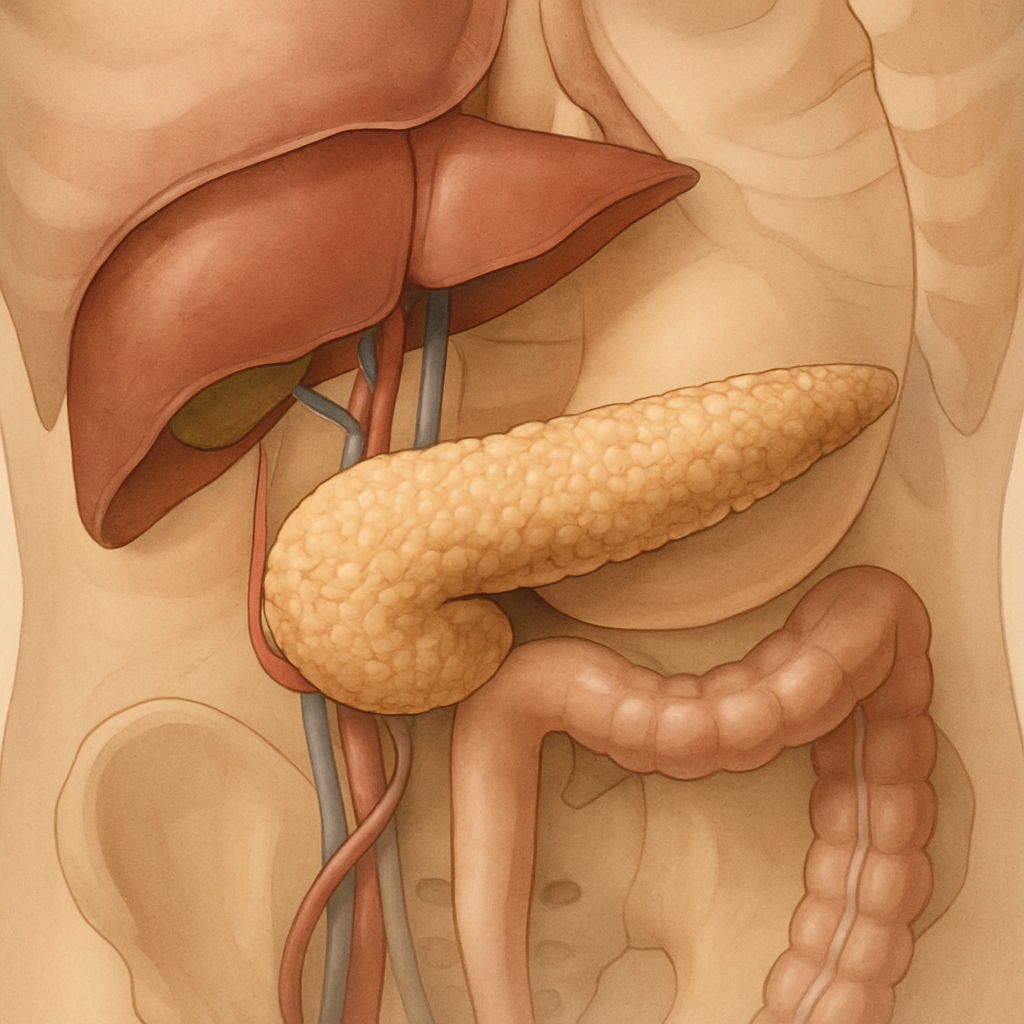
Useful for people who want gentle gut comfort during periods of dietary change or heavier meals. Ginger extract and lemon balm extract are often included in formulas aimed at supporting a settled stomach and digestive ease. Dandelion root extract adds a traditional digestive-herbal component to the blend.

Nutrient Absorption
May be used alongside meals as part of a routine that supports efficient digestion, which can indirectly support nutrient uptake from food. Ginger and rosemary extracts are frequently used in digestive-focused formulations where digestive function is the priority. Dandelion root extract contributes prebiotic-associated constituents (inulin is declared) that can support a gut environment aligned with normal digestion.
Detox & Liver Health
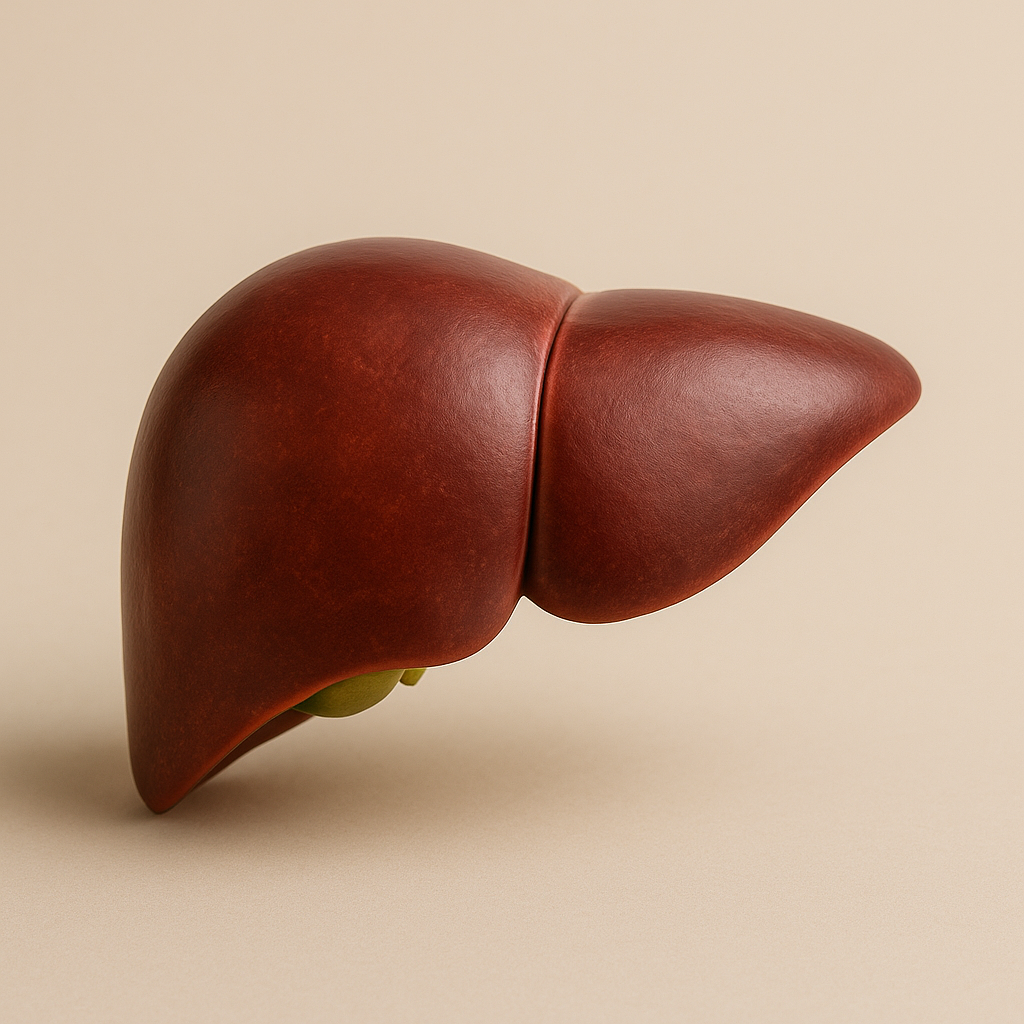
Can fit into a wellness routine that emphasizes digestive and hepatic tradition-based botanicals. Dandelion root and rosemary leaf extracts are commonly used in supplements positioned around digestive and liver-associated support. This is a complementary angle to the product’s primary digestive focus rather than the main purpose.
Antioxidant Support
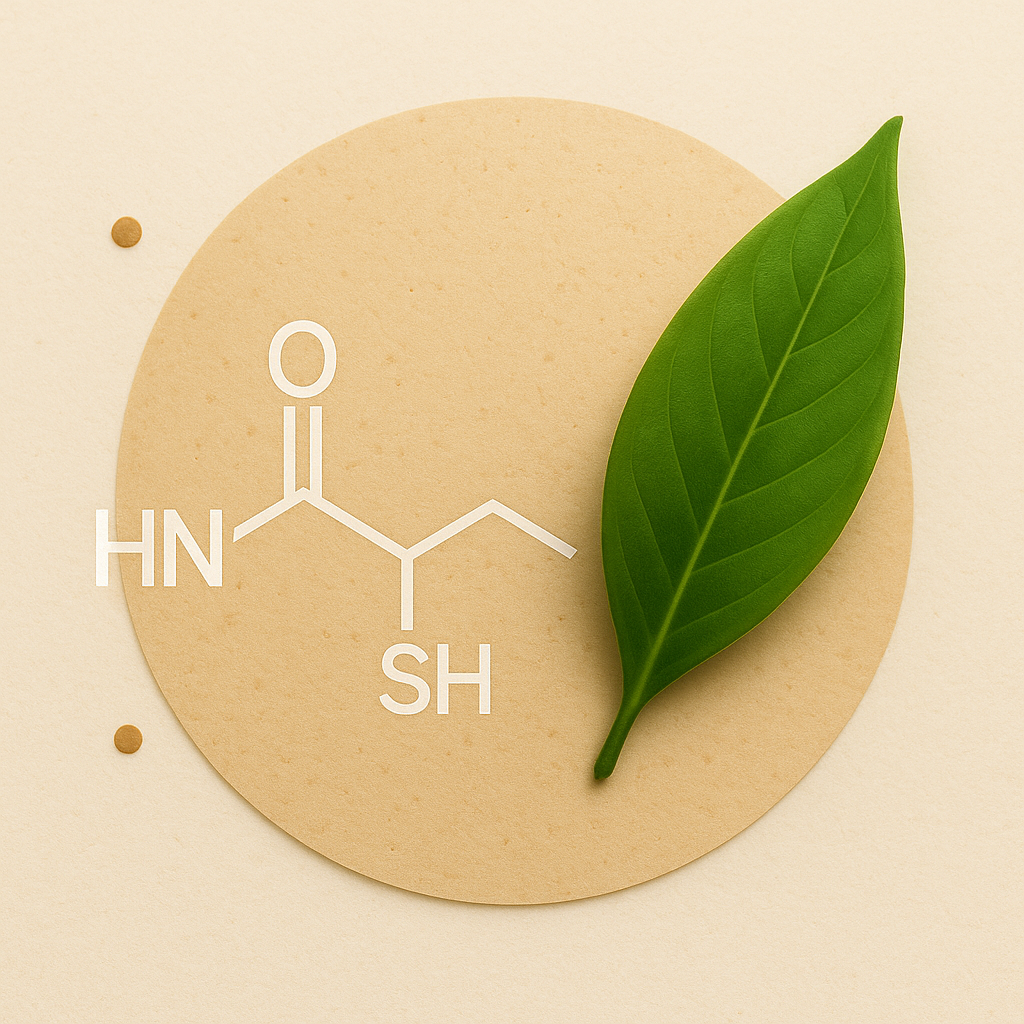
Provides plant-derived compounds such as rosmarinic acid (from Melissa officinalis) and ursolic acid (from rosemary) that are commonly associated with antioxidant-oriented formulations. These constituents can be included as part of general cellular wellness support. This benefit is peripheral compared with the product’s digestive and gut-comfort positioning.