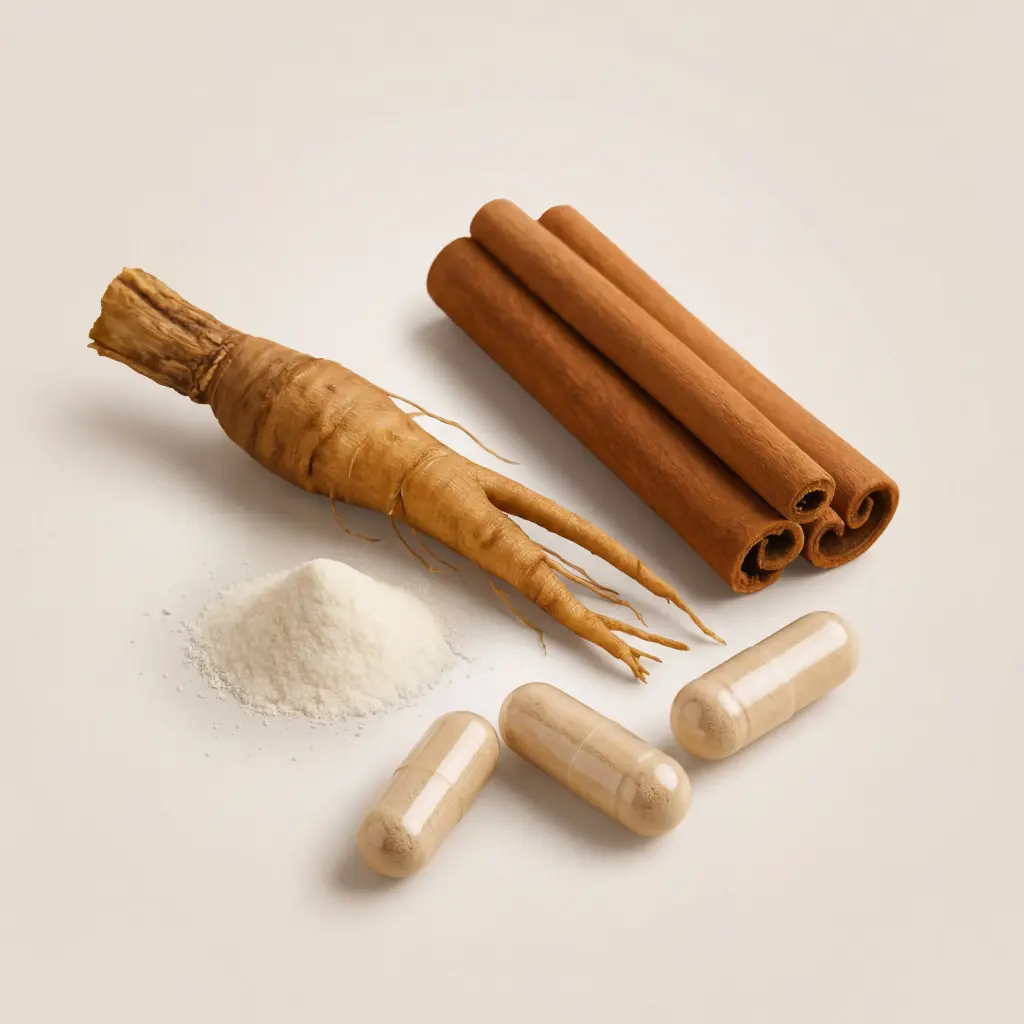
Probiotic and Prebiotic Balance
Daily microbiome balance
This formula is designed to support everyday gut wellness using a combination of probiotics and prebiotic fibres. It brings together a blend of bacterial strains with fermentable substrates to help maintain a balanced intestinal environment. The focus is on routine digestive support rather than short-term effects.
Probiotics: multi-strain approach
The product includes a blend of 9 probiotic strains, featuring Lactobacillus, Bifidobacterium, Lactococcus, Enterococcus, and related species. Using multiple strains is a common strategy to provide broader coverage of functional characteristics within the gut. The strains are listed individually to clarify the composition of the blend.
Prebiotics to nourish beneficial bacteria
Fructo-oligosaccharides (FOS) and inulin contribute fermentable fibres that can be used by beneficial gut bacteria. Taraxacum officinale (dandelion) root is included as a source of inulin (2%). This pairing supports a synbiotic concept: probiotics plus the fibres that help feed them.
Digestive comfort and routine support
By combining probiotics with prebiotic fibres, the formula is suited to people who want to support digestive comfort as part of daily habits. Fibre fermentation and microbiome balance can influence how digestion feels over time. The inclusion of cinnamon bark extract (5:1) complements the botanical profile of the formula.
How the ingredients work together
The probiotic blend provides live microorganisms, while FOS and inulin provide substrates that can support their activity in the gut. This synergy is often used to help maintain a stable microbiome during dietary changes. Rice flour is used as a standard carrier, and the product is delivered in a vegetable capsule.
Simple, capsule-based format
The ingredients are provided in a capsule format intended for convenient daily use. Consistency is typically important with probiotic and prebiotic routines. As with any fibre- and probiotic-containing supplement, individual tolerance can vary depending on diet and sensitivity.
| Class | Ingredient | Quantity | NRV% |
|---|---|---|---|
| Botanical powder | Taraxacum officinale (root) – 2% inulin | 600.0 mg | 0.0 |
| Plant extract | Cinnamomum zeylanicum (bark) – 5:1 | 150.0 mg | 0.0 |
| Carbohydrate | Fructo-oligosaccharides | 200.0 mg | 0.0 |
| Probiotic | Blend of 9 probiotic strains – 1×10⁸ CFU (W51–W24) | 200.0 mg | 0.0 |
| Probiotic | Bifidobacterium lactis W51: 20 mg (20,000 CFU/g) | 20.0 mg | 0.0 |
| Probiotic | Bifidobacterium lactis W52: 20 mg (20,000 CFU/g) | 20.0 mg | 0.0 |
| Probiotic | Lactobacillus acidophilus W22: 28 mg (28,000 CFU/g) | 28.0 mg | 0.0 |
| Probiotic | Enterococcus faecium W54: 20 mg (20,000 CFU/g) | 20.0 mg | 0.0 |
| Probiotic | Lactobacillus paracasei W20: 20 mg (20,000 CFU/g) | 20.0 mg | 0.0 |
| Probiotic | Lactobacillus plantarum W1: 26 mg (26,000 CFU/g) | 26.0 mg | 0.0 |
| Probiotic | Lactobacillus plantarum W21: 26 mg (26,000 CFU/g) | 26.0 mg | 0.0 |
| Probiotic | Lactobacillus salivarius W24: 20 mg (20,000 CFU/g) | 20.0 mg | 0.0 |
| Probiotic | Lactococcus lactis W19: 20 mg (20,000 CFU/g) | 20.0 mg | 0.0 |
| Excipient | Rice flour | 80.0 mg | 0.0 |
| Envelope | Vegetable capsule size 0 | 192.0 mg | 0.0 |
Capsules Ingredients: Rice flour; Vegetable capsule size 0
Allergens:
| Title | Description |
|---|---|
| Severely immunocompromised individuals – High Risk | Use of probiotic strains may be unsuitable for people with significantly weakened immune systems unless advised by a healthcare professional. |
| Central venous catheter or high infection risk – High Risk | Probiotics are sometimes avoided in high-risk clinical situations due to theoretical risk of translocation or infection. |
| History of probiotic intolerance – Medium Risk | Individuals who have previously reacted poorly to probiotic supplements may experience recurrence of digestive discomfort. |
| IBS or sensitivity to fermentable fibres (FODMAPs) – Medium Risk | Prebiotic fibres such as FOS and inulin can increase gas or bloating in sensitive individuals. |
| Pregnancy or breastfeeding – Low Risk | While commonly used in foods, concentrated probiotic/prebiotic supplements should be used with professional guidance during pregnancy or breastfeeding. |
| Known allergy to listed botanicals – Medium Risk | People sensitive to dandelion root or cinnamon should avoid use due to potential allergic reactions. |
| Title | Description |
|---|---|
| Gas and bloating – Medium Risk | Prebiotic fibres (FOS/inulin) and microbiome changes can temporarily increase intestinal gas in some users. |
| Changes in stool pattern – Low Risk | Probiotics and added fibres may alter bowel regularity or stool consistency during initial use. |
| Abdominal discomfort – Low Risk | Some individuals may notice mild cramping or digestive discomfort when starting probiotics or prebiotics. |
| Allergic reaction – Low Risk | Rare hypersensitivity reactions are possible, particularly with botanical ingredients such as cinnamon or dandelion. |
| Title | Description |
|---|---|
| Antibiotics – Medium Risk | Antibiotics may reduce probiotic viability; spacing doses by several hours is commonly considered. |
| Immunosuppressant therapy – High Risk | People using immunosuppressants should consult a clinician before using probiotics due to increased susceptibility to infections. |
| Antifungal medications – Low Risk | Antifungals do not directly target bacteria, but overall microbiome-directed regimens may warrant professional guidance. |
| Blood glucose-lowering medication – Low Risk | Cinnamon extract is sometimes used in metabolic wellness contexts, so monitoring may be prudent for those on glucose-lowering therapy. |
| Title | Description |
|---|---|
| General supplement warning – Low Risk | Food supplements should not be used as a substitute for a varied and balanced diet and a healthy lifestyle. |
| Daily dose warning – Low Risk | Do not exceed the recommended daily intake. |
| Children warning – Low Risk | Keep out of reach of young children. |
| Pregnancy and breastfeeding caution – Low Risk | If pregnant, breastfeeding, or trying to conceive, consult a healthcare professional before use. |
| Immunocompromised caution – High Risk | Consult a healthcare professional before using probiotics if you are immunocompromised or have a serious underlying medical condition. |
| Manufacturing trace warning – Low Risk | May contain very small amounts of allergens due to shared production equipment, even when not present in the ingredient list. |
| Title | Description | Bioavailability |
|---|---|---|
| Taraxacum officinale (root) – 2% inulin | Provides a botanical source of inulin-type fibre to complement the prebiotic portion of the formula. | Botanical ingredient with a specified inulin content; typical absorption characteristics for plant fibres. |
| Cinnamomum zeylanicum (bark) – 5:1 | Adds a concentrated cinnamon bark extract to support the overall botanical profile of the formula. | Botanical extract (5:1) with typical absorption characteristics for plant extracts. |
| Fructo-oligosaccharides | Acts as a prebiotic fibre that can be fermented by gut bacteria as part of a synbiotic approach. | Non-digestible prebiotic fibre; not absorbed like nutrients and is typically fermented in the colon. |
| Blend of 9 probiotic strains – 1×10⁸ CFU (W51–W24) | Provides a multi-strain probiotic blend intended to support microbiome balance. | Probiotic blend; viability and delivery depend on strain stability and storage conditions. |
| Bifidobacterium lactis W51: 20 mg (20,000 CFU/g) | Contributes a defined Bifidobacterium strain to the overall probiotic profile. | Probiotic strain; viability and delivery depend on strain stability and storage conditions. |
| Bifidobacterium lactis W52: 20 mg (20,000 CFU/g) | Contributes a defined Bifidobacterium strain to the overall probiotic profile. | Probiotic strain; viability and delivery depend on strain stability and storage conditions. |
| Lactobacillus acidophilus W22: 28 mg (28,000 CFU/g) | Contributes a defined Lactobacillus strain to the overall probiotic profile. | Probiotic strain; viability and delivery depend on strain stability and storage conditions. |
| Enterococcus faecium W54: 20 mg (20,000 CFU/g) | Contributes a defined Enterococcus strain to the overall probiotic profile. | Probiotic strain; viability and delivery depend on strain stability and storage conditions. |
| Lactobacillus paracasei W20: 20 mg (20,000 CFU/g) | Contributes a defined Lactobacillus strain to the overall probiotic profile. | Probiotic strain; viability and delivery depend on strain stability and storage conditions. |
| Lactobacillus plantarum W1: 26 mg (26,000 CFU/g) | Contributes a defined Lactobacillus strain to the overall probiotic profile. | Probiotic strain; viability and delivery depend on strain stability and storage conditions. |
| Lactobacillus plantarum W21: 26 mg (26,000 CFU/g) | Contributes a defined Lactobacillus strain to the overall probiotic profile. | Probiotic strain; viability and delivery depend on strain stability and storage conditions. |
| Lactobacillus salivarius W24: 20 mg (20,000 CFU/g) | Contributes a defined Lactobacillus strain to the overall probiotic profile. | Probiotic strain; viability and delivery depend on strain stability and storage conditions. |
| Lactococcus lactis W19: 20 mg (20,000 CFU/g) | Contributes a defined Lactococcus strain to the overall probiotic profile. | Probiotic strain; viability and delivery depend on strain stability and storage conditions. |
| Rice flour | Filler/carrier used to support capsule fill and ingredient handling. | Not applicable for excipients. |
| Vegetable capsule size 0 | Capsule shell used to deliver the ingredients in a convenient oral format. | Not applicable for excipients. |
| Allergen | Source Ingredient | Mandatory | Inference |
|---|---|---|---|
| None | None | No | None |
Population & target users: Adults seeking daily gut and digestive wellness support, especially during dietary changes or low-fibre periods.
How to take: Take 1 capsule daily with water, preferably with a meal; if using alongside antibiotics, consider separating intake by several hours.
Duration of use: Use consistently for at least 2–4 weeks to assess tolerance; discontinue if persistent discomfort occurs.
Storage & conservation: Store in a cool, dry place away from heat and moisture; keep the container tightly closed to help maintain probiotic stability.
| MDC BRANDS: Ethyos |
Bienfaits
Gut Health
Designed for everyday digestive and microbiome support by combining a multi-strain probiotic blend with prebiotic fibres. The blend of 9 probiotic strains (including Lactobacillus and Bifidobacterium species) is paired with fructo-oligosaccharides and inulin from Taraxacum officinale root to help nourish beneficial gut bacteria as part of a daily routine.
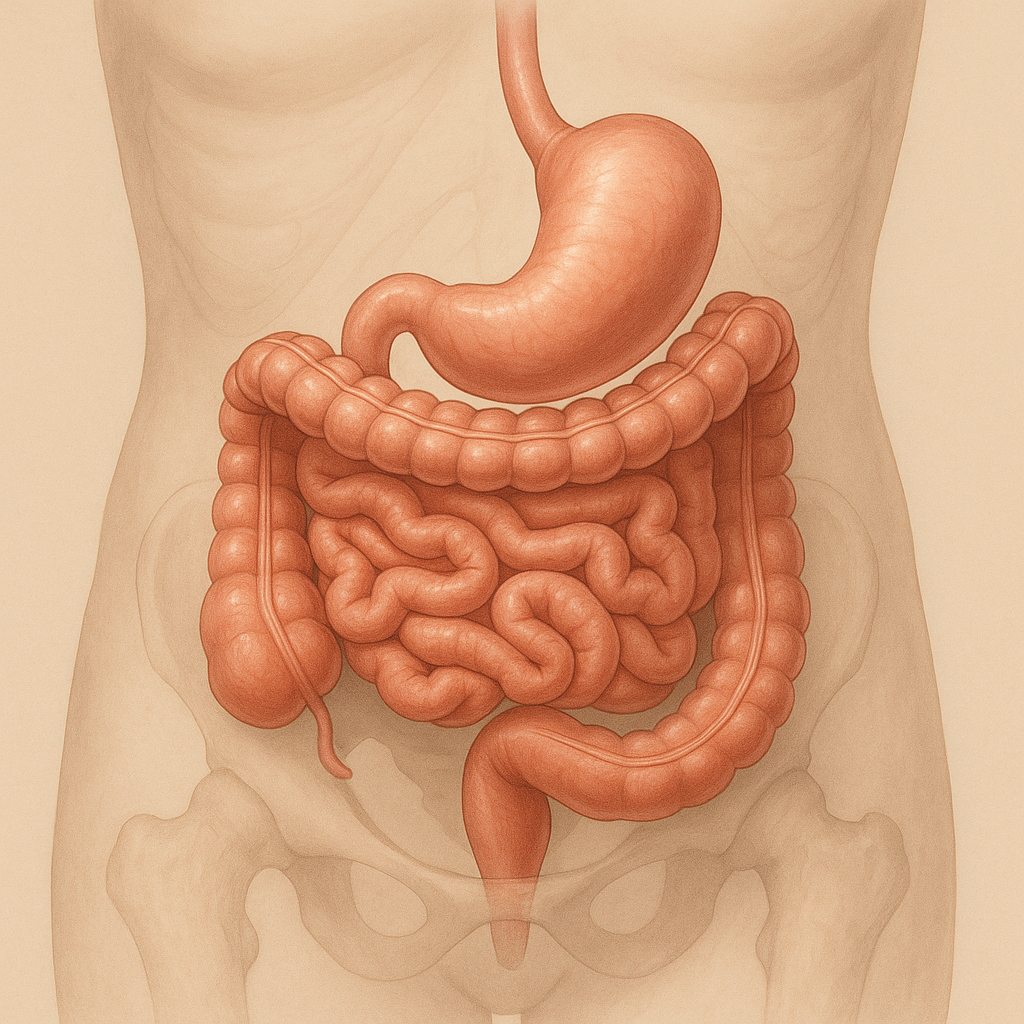
Digestive Health
Useful for people looking to support comfortable digestion and regular dietary transitions (e.g., changes in fibre intake or travel routines). Prebiotics (fructo-oligosaccharides and inulin) provide fermentable substrates, while the probiotic strains contribute to a balanced gut flora profile.
Gut Comfort
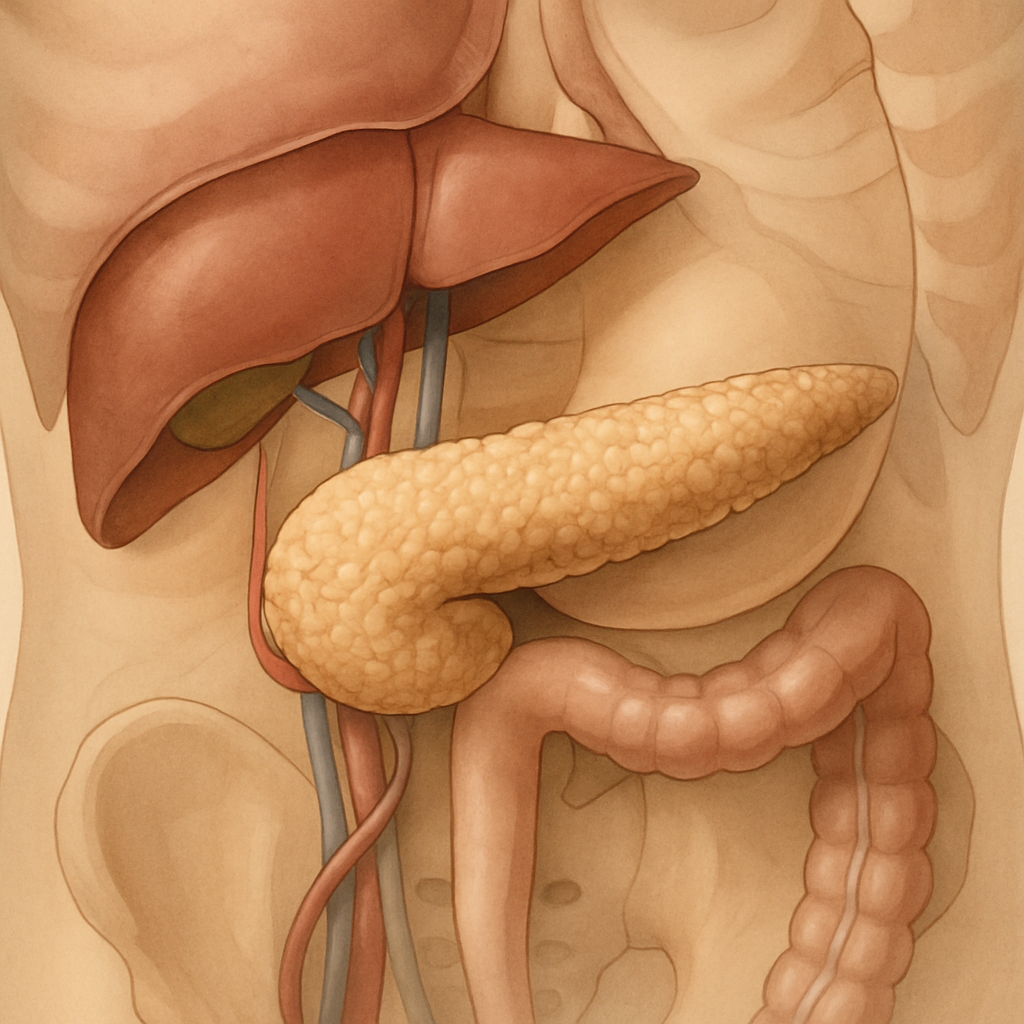
May be used as a gentle, daily option for supporting digestive comfort, especially when diet is low in diverse fibres. Dandelion root (2% inulin) and fructo-oligosaccharides complement the probiotic blend by supporting fermentation processes that can influence gut feel and routine.
Nutrient Absorption
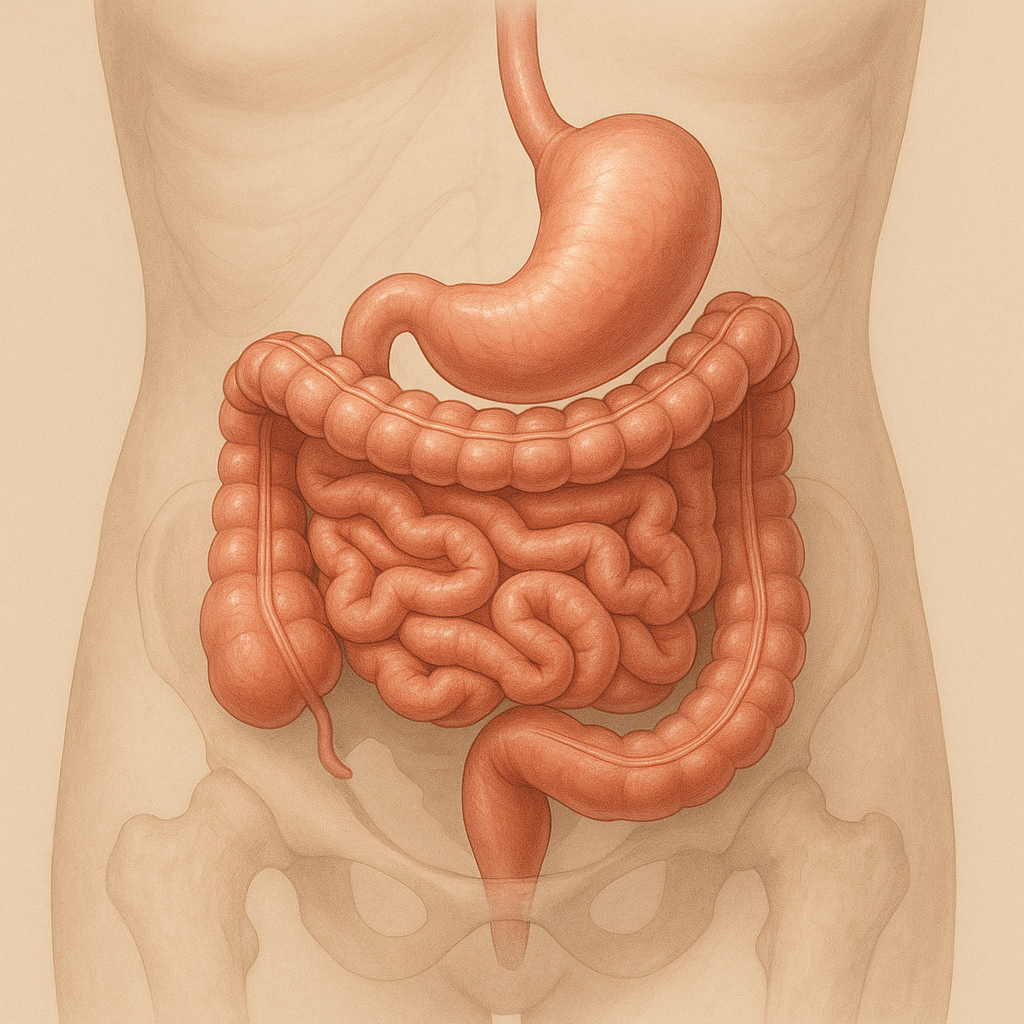
Can be included in a wellness plan aimed at maintaining a healthy intestinal environment that supports normal nutrient utilisation from food. Probiotic strains and prebiotic fibres work together to support a balanced microbiome, which is commonly associated with digestive efficiency.

Immune Support
May be used as part of general wellness habits that include gut-focused support, since the gut microbiome is closely linked with normal immune function. The multi-strain probiotic blend alongside prebiotic fibres (FOS and inulin) provides a food-supplement approach to maintaining microbiome balance.